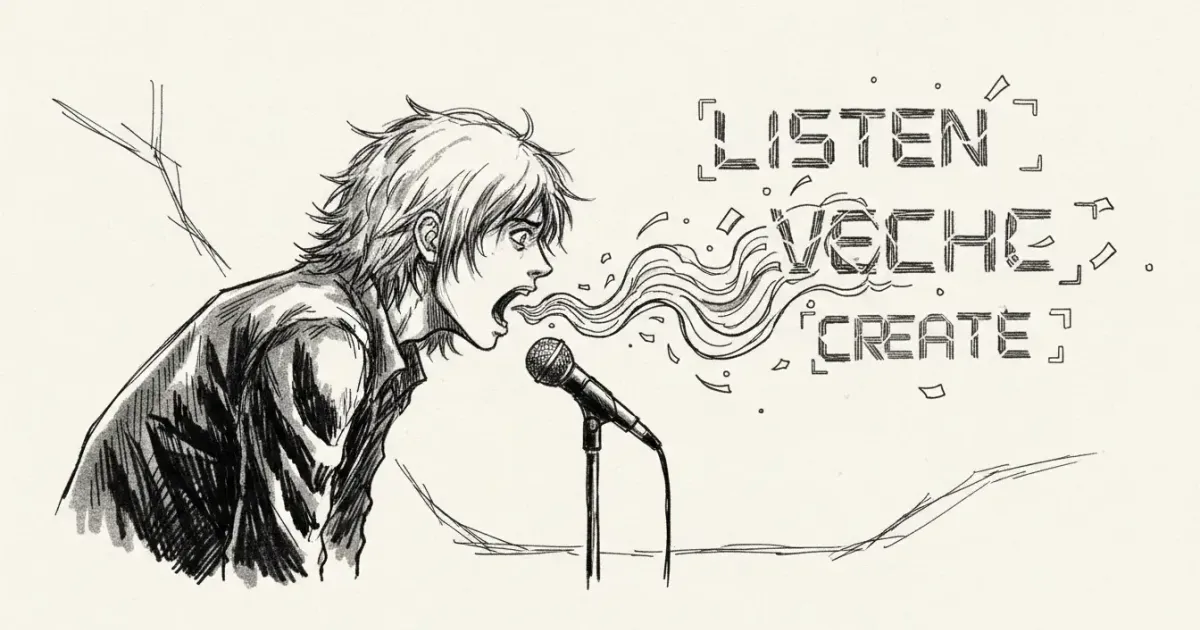
Qwen TTS Guide 2026: How To Evaluate Text-to-Speech For Creative Work
Evaluate Qwen-style text-to-speech tools by latency claims, voice cloning, licensing, quality checks, and when MusicMake.ai workflows fit better.
Short Answer
Treat TTS model claims as implementation-specific. Latency, voice cloning quality, language support, commercial-use rights, and free access can change by provider, deployment, region, and plan.
Use this guide as an evaluation checklist, not as a frozen spec sheet.
What TTS Is Good For
Text-to-speech tools are useful for:
- narration drafts
- guide tracks
- podcast scratch voice
- voiceover mockups
- product demos
- accessibility previews
- localization tests
They are not automatically a replacement for music generation, singing vocals, cover-song workflows, or rights-cleared commercial voice work.
What To Verify Before Using A TTS Tool
| Area | What to check |
|---|---|
| Latency | Is the number measured locally, through an API, or in a demo? |
| Voice cloning | Does the tool require consent and source rights? |
| Languages | Are the languages production-ready or only demo-supported? |
| License | Does the current license allow your commercial use case? |
| Output quality | Listen for artifacts, pronunciation, pacing, breath, and emotional control. |
| Data handling | Check how uploaded voice samples are stored or used. |
Voice Cloning Needs Extra Care
Voice cloning is not just a technical feature. Before using any cloned or reference voice, confirm:
- You have permission to use the voice.
- The platform allows the intended use.
- Your destination platform allows synthetic voice content.
- You can document the source, consent, and generation date.
If you cannot prove those points, do not use the voice in a client, ad, public release, or monetized project.
Where MusicMake.ai Fits
MusicMake.ai focuses on music workflows rather than generic TTS:
- generate songs from prompts, lyrics, and styles
- create or revise vocals as part of a song workflow
- use Music Agent to decide whether to generate, cover, extend, remix, replace a section, or separate vocals
- keep records and check plan-based usage terms before publishing
If your task is narration, a TTS tool may be the right starting point. If your task is a song, soundtrack, cover, stem, or editable music project, start with MusicMake.ai.
A Practical TTS Test
Before committing to a TTS tool, run the same script through several settings:
- A short factual sentence.
- A sentence with names, numbers, and acronyms.
- A paragraph with emotion changes.
- A non-English or mixed-language line if your project needs it.
- A noisy playback test on phone speakers.
Then compare not only quality, but also rights, export format, latency, price, and retry cost.
FAQ
Is Qwen TTS free for commercial use?
Do not assume that from an old article. Check the current model license, provider terms, and deployment terms for your exact use case.
Can I clone any voice?
No. You need permission and must follow platform rules and local law.
Is TTS the same as AI singing?
No. TTS creates spoken audio. Singing requires pitch, rhythm, lyrics, arrangement, and often a different workflow.
Conclusion
Good TTS evaluation is source-first: check the current license, test real audio, verify consent, and document the workflow. For music creation and revision, use a dedicated music workflow such as MusicMake.ai Music Agent.
もっと見る
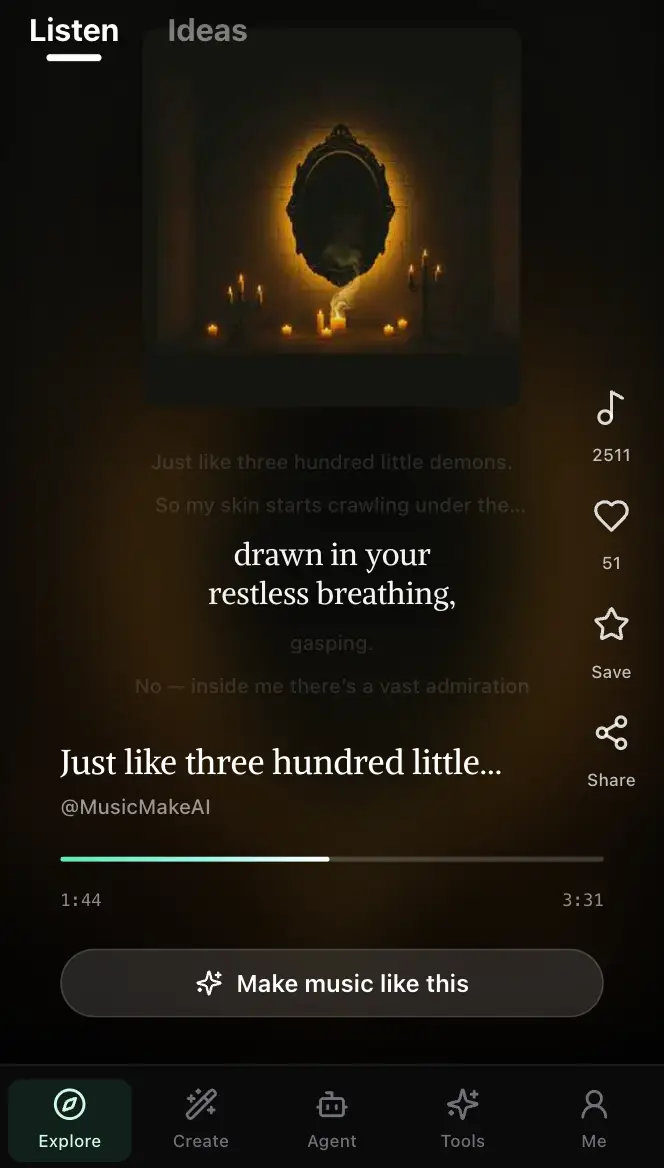
MusicMake.ai Mobile Update: Create Music From Your Phone Like an App
MusicMake.ai now gives creators a complete mobile flow for listening, generating, refining with Music Agent, opening tools, and managing songs from a phone.

AI Songwriting Guide: How to Write Songs with AI in 2026
Learn how to use AI songwriting tools to write better songs faster. Step-by-step guide covering lyrics, melody, arrangement, and production with AI assistance.
how to become a music producer with ai tools - MusicMake.ai Guide
Learn about how to become a music producer with ai tools with this comprehensive guide from MusicMake.ai.