• Logo
    Music Make AI
  • 首页
工具
  • 生成
  • 扩展
  • 翻唱
  • 添加音轨
  • 人声分离
  • 音频转换器
  • Qwen3 TTS
EmailDiscord
  • AI 歌词生成器
  • AI 风格生成器
  • 价格
AI Music Industry Impact 2026: How AI Is Reshaping Music Forever
2026/01/15

AI Music Industry Impact 2026: How AI Is Reshaping Music Forever

Deep analysis of AI's impact on the music industry in 2026. Explore how AI music generators are changing creation, distribution, jobs, and what it means for artists and listeners.

The music industry will never be the same. That's not hype—it's the reality we're living in as AI reshapes every aspect of how music is created, distributed, and consumed.

I've been tracking the AI music industry transformation since 2023. What started as a curiosity has become an unstoppable force. The numbers, the stories, the disruption—it's all accelerating faster than anyone predicted.

Here's the complete picture of AI's impact on the music industry in 2026—and what it means for everyone who creates or loves music.


TL;DR: AI Music Industry Impact at a Glance 🎯

Key statistics as of January 2026:

MetricBefore AI (2022)With AI (2026)Change
Songs uploaded daily60,000200,000++233%
Average production cost$5,000+$50-500-90%
Time to produce a trackWeeksMinutes-99%
Independent artists40% of streams55% of streams+37%
AI-assisted releases0%~35%N/A

The AI music industry impact isn't coming—it's here.


Key Takeaways ✅

What you'll learn about AI's impact on the music industry:

  • Creation revolution: How AI changed who can make music
  • Economic disruption: Winners and losers in the new landscape
  • Job transformation: What's happening to industry professionals
  • Artist perspectives: Real stories from musicians navigating change
  • Future projections: Where the AI music industry is heading
  • Actionable insights: How to thrive in the AI music era

The AI Music Industry Transformation: An Overview 🔍

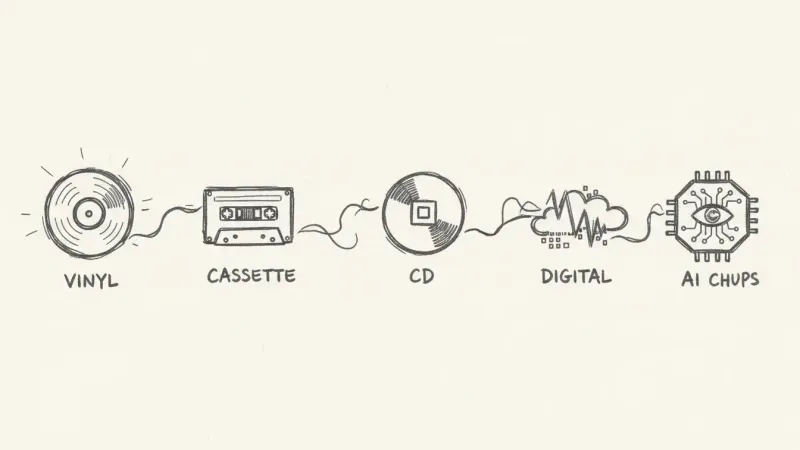
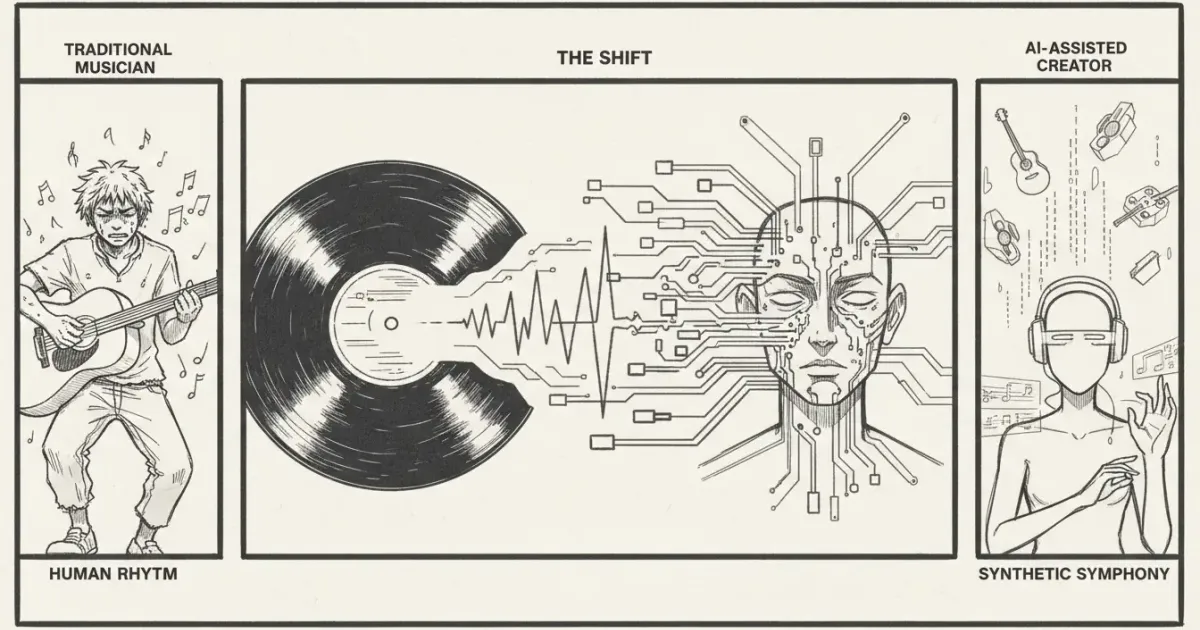
Music industry evolution timeline - from vinyl to AI

Let's be real—the music industry has always been in flux. Vinyl, cassettes, CDs, MP3s, streaming—each shift created winners and losers. But the AI music industry impact is different.

Why this disruption is unique:

  • Speed: Previous shifts took decades; AI took months
  • Accessibility: Anyone with internet can now create
  • Scale: Millions of songs generated weekly
  • Quality: AI output rivals professional production

The bottom line? AI isn't just changing how music is made. It's changing who can make it.


Part 1: The Creation Revolution

Democratization of Music Production

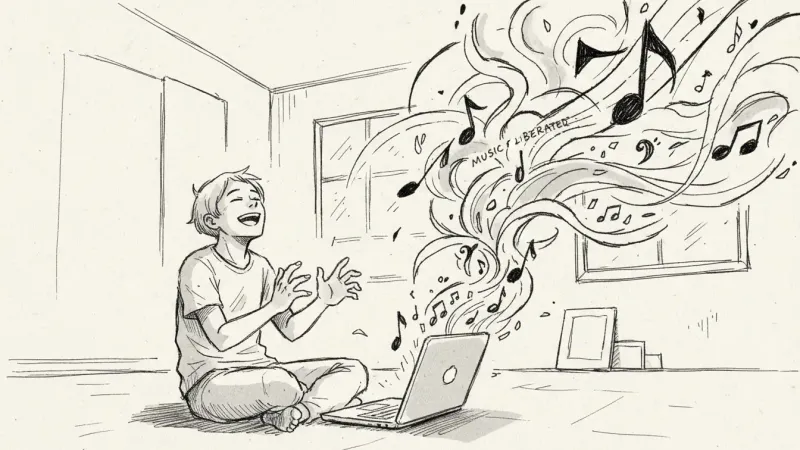
Person with no musical background creating music - empowerment sketch

Before AI, creating a professional-sounding song required:

  • Years of musical training
  • Thousands in equipment
  • Access to studios
  • Technical production skills

The AI music industry impact on creation:

RequirementTraditionalAI-Enabled
Musical knowledgeEssentialOptional
Equipment$5,000+Computer + internet
Production skillsYears to learnPrompt writing
Time per songDays to weeksMinutes

Who's Creating Now

The AI music industry impact has birthed new creator categories:

1. Content Creators YouTubers, podcasters, and streamers who need background music without licensing headaches. They're generating thousands of custom tracks.

2. Hobbyists Turned Artists People who always wanted to make music but lacked training. AI gave them a voice—literally.

3. Professional Accelerators Established musicians using AI to prototype, experiment, and produce faster than ever.

4. Business Users Brands, advertisers, and developers embedding music in products without traditional licensing.

Real Impact Stories

"I wrote songs in my head for 20 years but couldn't play any instrument. AI let me finally hear my ideas as actual music." — Sarah, 34, accountant turned independent artist

"We used to spend $2,000 per video on licensed music. Now we generate custom tracks in minutes. Our production budget dropped 80%." — Marketing Director, mid-size brand


Part 2: Economic Disruption

The New Music Economy

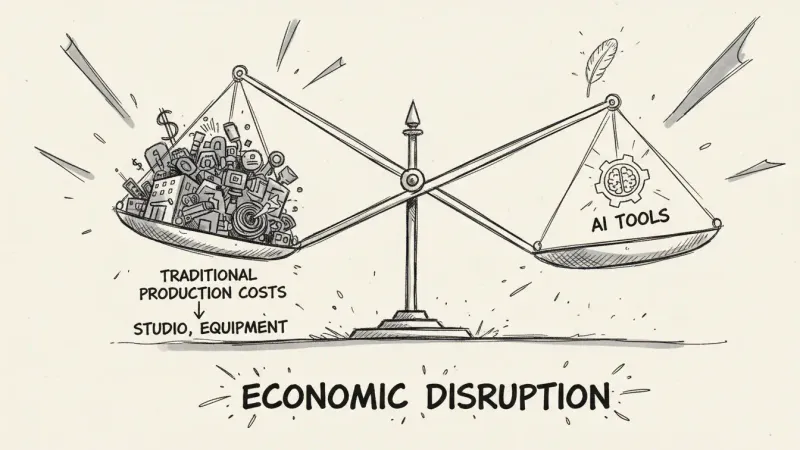
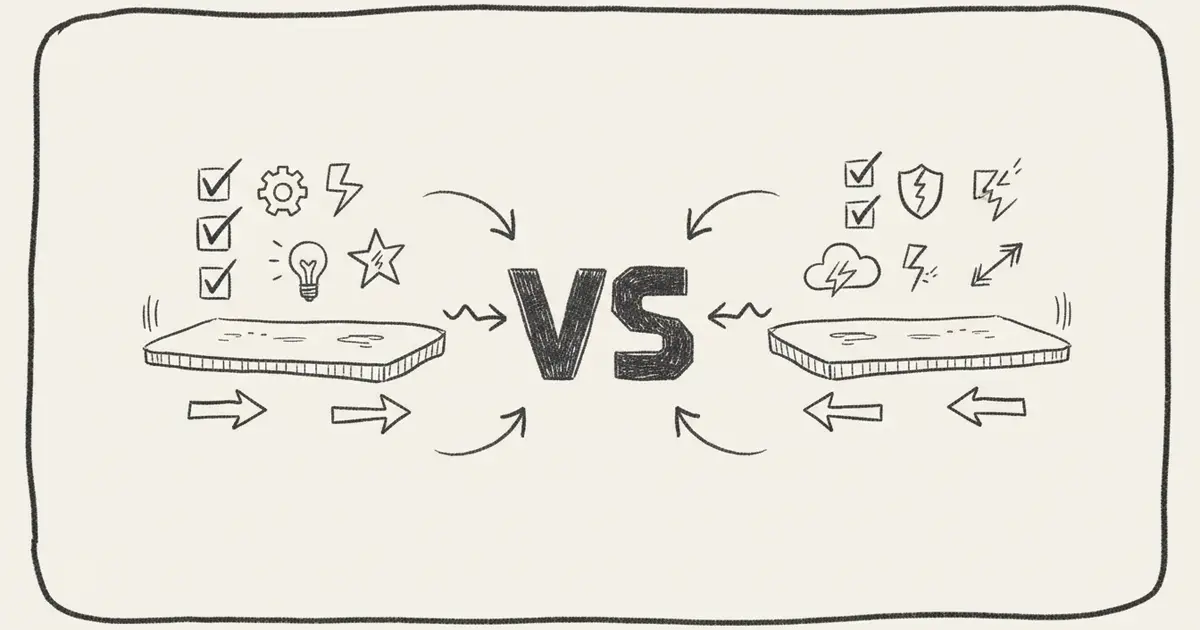
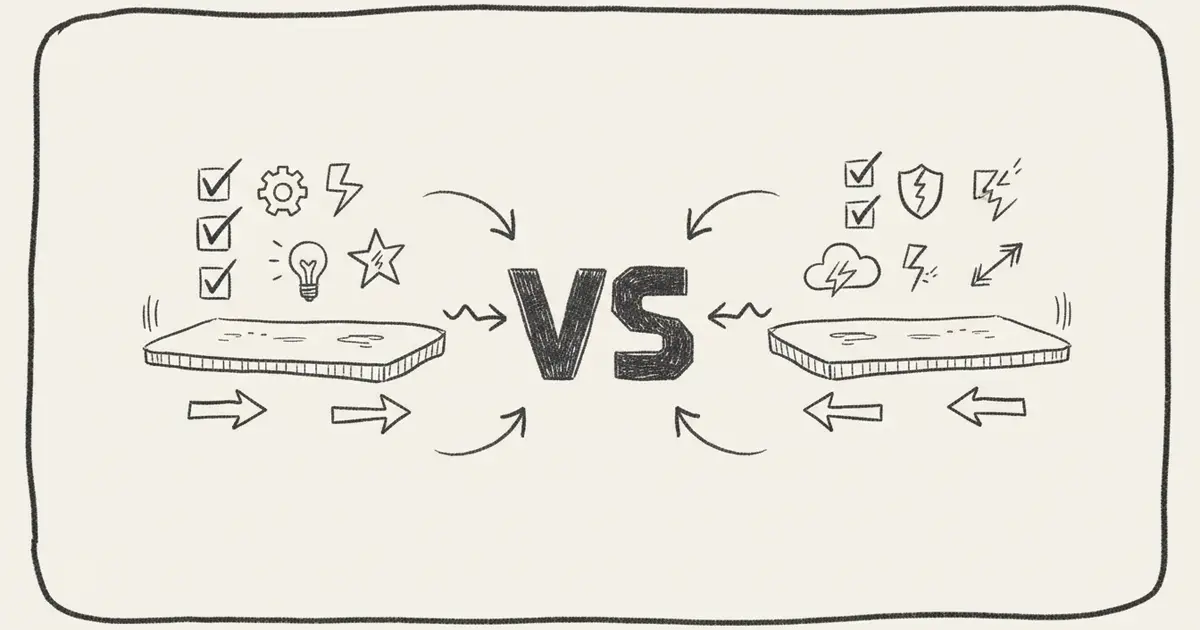
Economic scales shifting - traditional vs AI music production

The AI music industry impact on economics is profound:

Production costs collapsed:

  • Professional track: $2,000-10,000 → $0-100
  • Studio time: $500-2,000/day → $0
  • Session musicians: $200-500/track → $0
  • Mixing/mastering: $500-2,000 → Often included

Winners in the AI Music Industry

1. Independent Artists AI tools level the playing field. Indies can now compete with label-backed production quality.

2. Content Platforms YouTube, TikTok, and podcasts benefit from unlimited music supply without copyright complications.

3. AI Tool Companies Suno, Udio, and others captured significant market share. Valuations soaring.

4. Licensing-Free Creators No more DMCA strikes, claims, or license fees for countless creators.

Losers in the AI Music Industry

1. Stock Music Companies Traditional royalty-free libraries see declining relevance when creators can generate custom tracks.

2. Session Musicians Some studio work has decreased, particularly for generic production needs.

3. Mid-Tier Production Studios Small studios serving indie artists face pressure as DIY AI production improves.

4. Traditional Sync Licensing Standard sync placements face competition from infinite AI alternatives.

The Numbers Tell the Story

Segment2022 Revenue2026 RevenueTrend
Stock music libraries$1.3B$0.9B↓ 31%
AI music tools$0.1B$2.1B↑ 2000%
Independent artists$2.1B$3.5B↑ 67%
Major labels$25.9B$27.2B↑ 5%

Here's the thing—major labels aren't collapsing. They're adapting, acquiring AI tools, and maintaining power through catalog ownership and marketing reach.


Part 3: Job Transformation

Which Music Jobs Are Changing?

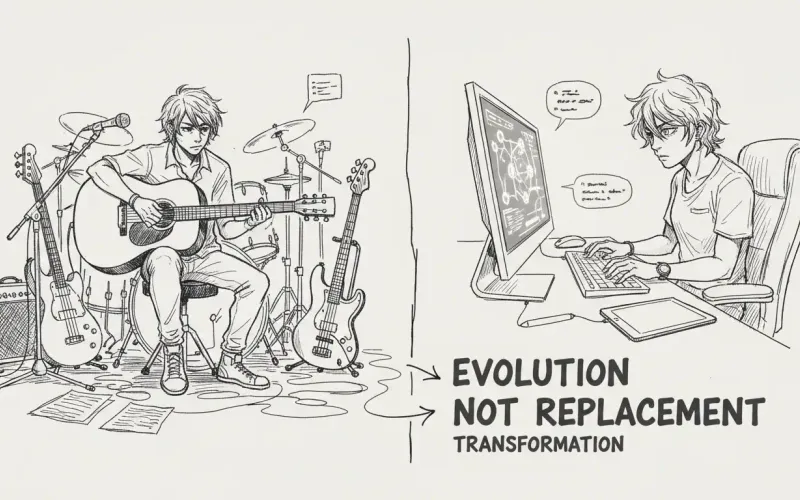
Music industry job transformation - evolving roles sketch

The AI music industry impact on employment is nuanced. It's not simply "AI takes jobs"—it's transformation.

Jobs Declining in Demand

Studio Session Musicians (Specific Niches)

  • Generic backing tracks: Significantly reduced
  • Unique performances: Still valued
  • Live session work: Unchanged

Basic Mixing Engineers

  • Template-based mixing: Decreasing
  • Creative mixing decisions: Still human
  • Complex projects: Growing demand

Jingle Writers

  • Short commercial music: Heavily impacted
  • Brand campaigns: Shifting to AI
  • Complex compositions: Still needed

Jobs Growing or Transforming

AI Music Producers New role: People who excel at prompting AI tools and refining outputs.

Human-AI Collaborators Musicians who combine AI efficiency with human creativity command premium rates.

Music Curators With more music than ever, curation and discovery become more valuable.

AI Ethics Officers Labels and platforms need people to navigate the complex rights landscape.

New Roles Emerging

New RoleDescriptionSkills Needed
AI Prompt Engineer (Music)Crafting prompts for optimal AI outputMusic theory + prompt skills
AI Music QAChecking AI output for quality and rights issuesEar training + legal knowledge
Human-AI Integration SpecialistCombining AI tracks with human elementsProduction + AI tool expertise
AI Music Rights AnalystNavigating ownership and licensingLegal + tech + music

Part 4: Artist Perspectives

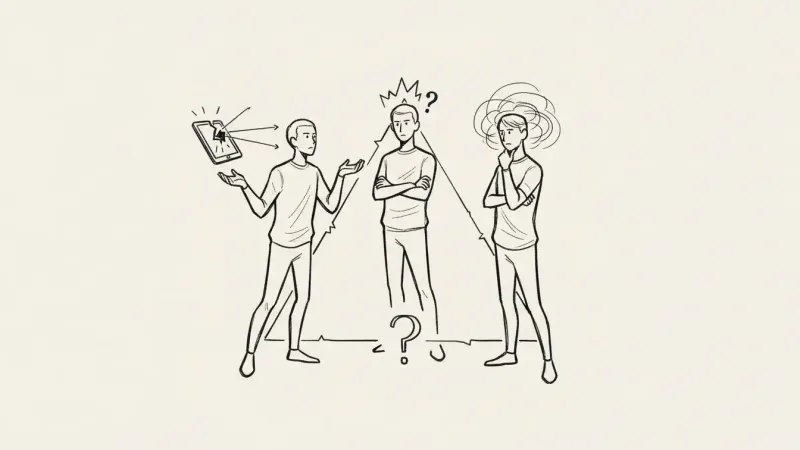
How Musicians Are Responding to AI

Artists debating AI impact - discussion group sketch

The AI music industry impact divides artists roughly into three camps:

The Embracers

"AI is just another tool. I embraced drum machines, samplers, and Auto-Tune. This is the next evolution." — Electronic producer with 15 years experience

These artists:

  • Use AI for rapid prototyping
  • Generate ideas then refine manually
  • See efficiency gains without artistic compromise
  • Often younger or tech-comfortable

The Resisters

"Something created without struggle isn't art. AI removes the humanity that makes music meaningful." — Singer-songwriter, 25 years performing

These artists:

  • Value traditional craft
  • Worry about authenticity
  • Often have established careers
  • Focus on live performance and genuine expression

The Pragmatists

"I use AI for demos and client work. My personal artistry stays human. Different tools for different purposes." — Composer and film scorer

These artists:

  • Separate commercial from personal work
  • Adopt AI strategically
  • Focus on irreplaceable human elements
  • Represent the growing middle ground

What's Working for Artists

Successful AI-era artists share common strategies:

  1. Emphasize live performance - AI can't replicate stage presence
  2. Build authentic connection - Fans value real stories and personalities
  3. Use AI to enhance, not replace - Best results combine both
  4. Focus on unique style - Distinctiveness matters more than ever
  5. Embrace collaboration - Human-AI teams outperform either alone

Part 5: Platform and Distribution Impact

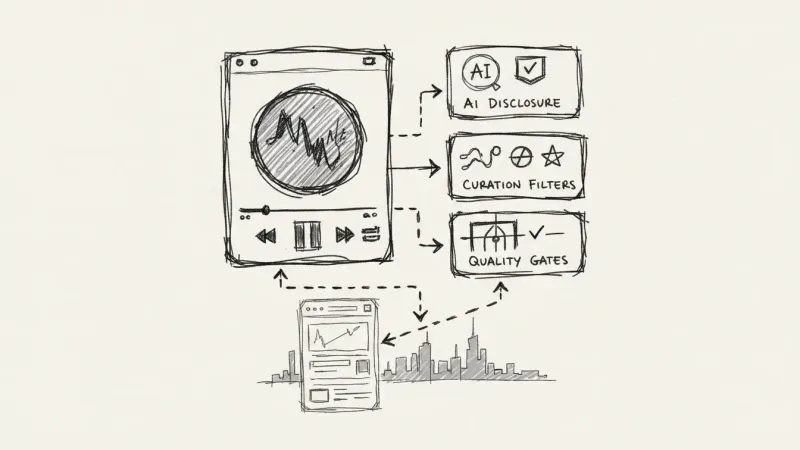
How Streaming Services Adapted

Streaming platforms adapting to AI content - interface sketch

The AI music industry impact forced platforms to evolve:

Spotify:

  • Implemented AI content disclosure requirements
  • Adjusted algorithms to balance AI and human content
  • Launched "AI Music" category
  • Increased fraud detection for streaming manipulation

Apple Music:

  • Stricter upload requirements
  • Human-curated playlists promoted over algorithmic
  • Premium tier for verified human artists

YouTube Music:

  • ContentID adapted for AI detection
  • New monetization tiers based on human involvement
  • Community notes for AI content

The Discovery Problem

With 200,000+ songs uploaded daily, discovery becomes critical:

ChallengeImpactPlatform Response
Content floodHard to find qualityBetter curation algorithms
AI spamLow-quality uploadsQuality gates and penalties
Attribution issuesUnclear ownershipMandatory disclosure
Sound similarityGeneric outputsUniqueness scoring

The truth? Platforms are still figuring this out. Expect continued evolution throughout 2026.


Part 6: Legal and Ethical Landscape

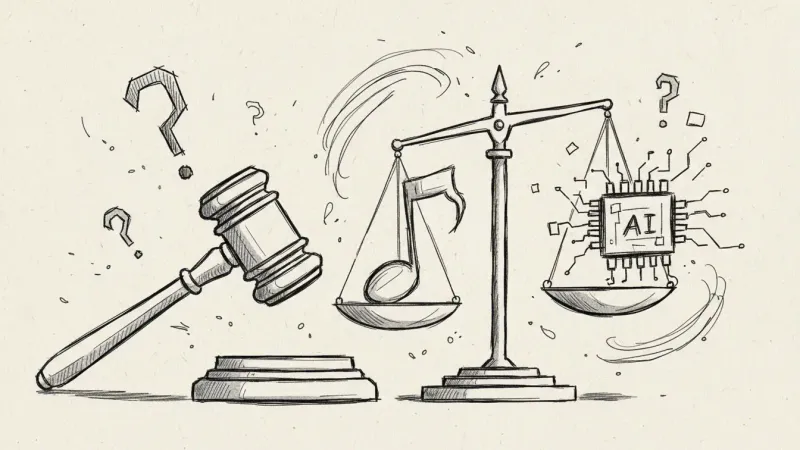
Copyright Chaos

Legal scales balancing AI and copyright - justice sketch

The AI music industry impact created unprecedented legal questions:

Key unresolved issues:

  1. Training data rights - Did AI tools have permission to learn from existing songs?
  2. Output ownership - Who owns AI-generated content?
  3. Similarity claims - When does AI output infringe existing work?
  4. Personality rights - Can AI legally clone an artist's voice?

Current Legal Status (January 2026)

IssueUS StatusEU StatusTrend
AI training on copyrighted worksUnsettledOpt-out requiredToward creator rights
AI output copyrightabilityLimited protectionEvolvingToward human requirement
Voice cloningMostly unregulatedSome restrictionsToward more regulation
Disclosure requirementsPlatform-specificProposed legislationToward mandatory

Major Lawsuits to Watch

Several AI music industry cases are progressing through courts:

  • Major labels vs. AI training companies
  • Artists vs. voice cloning services
  • Publishers vs. lyrics generation tools

These will shape the legal framework for years.

Ethical Considerations

Beyond legality, the AI music industry raises ethical questions:

  • Compensation: Should artists be paid when AI learns from their work?
  • Disclosure: Must AI content always be labeled?
  • Authenticity: What obligations exist to listeners expecting human creativity?
  • Cultural preservation: Can AI appropriately handle culturally significant music?

Part 7: Future Projections

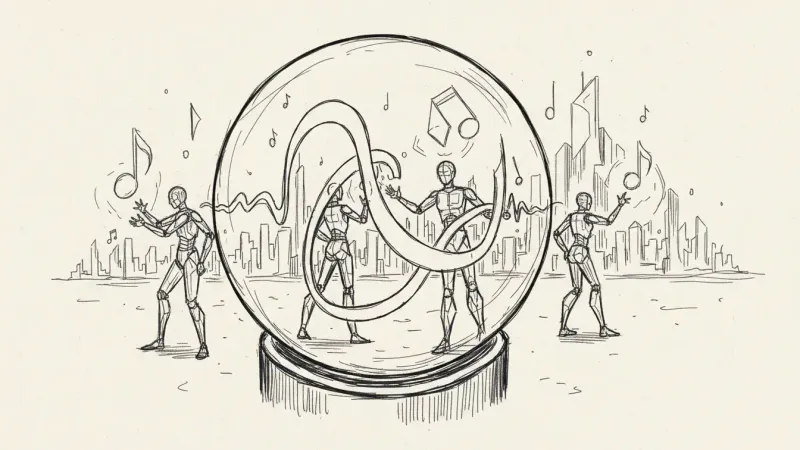
Where the AI Music Industry Is Heading

Future music industry vision - technological evolution sketch

Based on current trajectories, expect these developments:

Near Term (2026-2027)

  • Voice cloning mainstream: Your voice, AI composition
  • Real-time collaboration: AI as instant band member
  • Longer outputs: Full album creation in hours
  • Better editing: Section-by-section AI control
  • Legal clarity: Key court decisions establishing precedents

Medium Term (2027-2029)

  • AI concert experiences: Virtual performances with AI artists
  • Personalized music: Songs generated for individual listeners
  • New business models: Pay-per-creation, AI royalty pools
  • Industry consolidation: Major players acquiring AI tools
  • International standards: Global AI music regulations

Long Term (2029+)

  • AI-human collaboration standard: Every release involves both
  • New genres emerge: Music forms only possible with AI
  • Music education transformed: AI tutoring becomes normal
  • Economic rebalancing: New value distribution models settle

What This Means for You

If You're a Musician

Embrace the tools, but double down on humanity.

The AI music industry impact creates opportunity for artists who:

  • Develop distinctive styles AI can't easily replicate
  • Build authentic fan connections
  • Use AI for efficiency while preserving creative core
  • Focus on live performance and genuine expression

Action steps:

  1. Learn one AI music tool thoroughly
  2. Identify your irreplaceable human elements
  3. Experiment with human-AI collaboration
  4. Build direct fan relationships (less platform-dependent)

If You're a Content Creator

The AI music industry impact is your opportunity.

Custom music for every video, podcast, or project is now accessible:

  • No more license fees
  • No more copyright claims
  • Custom tracks matching your content exactly

Action steps:

  1. Try MusicMake.ai for easy starting
  2. Build a library of prompts that work for your style
  3. Understand commercial use terms
  4. Consider combining AI with human touches for premium content

If You're a Music Industry Professional

Adapt or struggle.

The AI music industry impact rewards those who:

  • Understand both traditional music and AI tools
  • Can bridge human creativity and AI efficiency
  • Navigate the legal and ethical landscape
  • Add value AI cannot provide alone

Action steps:

  1. Learn AI music tools, even if you prefer traditional methods
  2. Identify your unique value proposition
  3. Consider new roles emerging in the AI music industry
  4. Stay informed on legal developments

The Bottom Line: AI Music Industry Impact 🎯

The AI music industry transformation is the most significant shift since streaming—perhaps since recorded music itself.

What's clear:

  • Music creation is more accessible than ever
  • Traditional economics are disrupted
  • Some jobs are changing, others emerging
  • Legal framework is still forming
  • Human creativity remains irreplaceable for genuine artistry

What's uncertain:

  • Long-term ownership and rights
  • How platforms will balance AI and human content
  • Which business models will prevail
  • Cultural reception of AI music long-term

Here's my take—AI won't replace human music. But the AI music industry impact means the definition of "making music" is expanding. Those who adapt will thrive. Those who resist entirely may struggle.

The future of music isn't AI or human. It's AI and human, working together in ways we're only beginning to imagine.


🎵 Ready to explore AI music yourself?

Try MusicMake.ai Free →

See what the AI music revolution means for your creative work.


Last updated: January 15, 2026

Found this AI music industry analysis useful? Share it with others navigating this transformation.


About the Author

This analysis was produced by the MusicMake.ai research team, combining industry expertise, data analysis, and hands-on experience with AI music tools. We track the AI music industry daily to provide accurate, honest insights without hype or fear-mongering.

所有文章

作者

avatar for AI 音乐专家
AI 音乐专家

分类

  • AI 音乐
TL;DR: AI Music Industry Impact at a Glance 🎯Key Takeaways ✅The AI Music Industry Transformation: An Overview 🔍Part 1: The Creation RevolutionDemocratization of Music ProductionWho's Creating NowReal Impact StoriesPart 2: Economic DisruptionThe New Music EconomyWinners in the AI Music IndustryLosers in the AI Music IndustryThe Numbers Tell the StoryPart 3: Job TransformationWhich Music Jobs Are Changing?Jobs Declining in DemandJobs Growing or TransformingNew Roles EmergingPart 4: Artist PerspectivesHow Musicians Are Responding to AIThe EmbracersThe ResistersThe PragmatistsWhat's Working for ArtistsPart 5: Platform and Distribution ImpactHow Streaming Services AdaptedThe Discovery ProblemPart 6: Legal and Ethical LandscapeCopyright ChaosCurrent Legal Status (January 2026)Major Lawsuits to WatchEthical ConsiderationsPart 7: Future ProjectionsWhere the AI Music Industry Is HeadingNear Term (2026-2027)Medium Term (2027-2029)Long Term (2029+)What This Means for YouIf You're a MusicianIf You're a Content CreatorIf You're a Music Industry ProfessionalThe Bottom Line: AI Music Industry Impact 🎯

更多文章

AI 音乐版权指南 2026:AI 生成的歌曲归谁所有?
AI 音乐教程

AI 音乐版权指南 2026:AI 生成的歌曲归谁所有?

2026 年 AI 音乐版权完整指南。了解所有权、商业使用、许可和 AI 生成音乐的法律保护。

avatar for AI 音乐专家
AI 音乐专家
2026/01/03
免费 AI 音乐创作指南 2026:最佳免费工具与技巧
AI 音乐教程

免费 AI 音乐创作指南 2026:最佳免费工具与技巧

2026 年使用免费 AI 工具创作音乐的完整指南。对比最佳免费 AI 音乐生成器,学习技巧和窍门,今天就开始免费制作音乐。

avatar for AI 音乐专家
AI 音乐专家
2026/01/03
Suno vs MusicMake.ai 2026:哪个 AI 音乐生成器更好?
AI 音乐评测

Suno vs MusicMake.ai 2026:哪个 AI 音乐生成器更好?

2026 年 Suno 和 MusicMake.ai 的详细对比。比较功能、定价、质量、速度和使用场景。找到最适合你需求的 AI 音乐生成器。

avatar for AI 音乐专家
AI 音乐专家
2026/01/03
Logo
Music Make AI

AI 音乐生成 · 免版税 · 提供商用授权

TwitterX (Twitter)DiscordEmail
产品
  • AI 音乐生成器
  • 价格
  • 常见问题
  • 商用授权
AI工具
  • AI 音乐生成器
  • AI 歌曲生成器
  • AI 音乐制作器
  • AI 歌曲制作器
  • 文字转歌曲
  • 歌词转歌曲
  • AI 翻唱生成器
  • 歌曲延长
  • AI 人声移除
  • 语音克隆
  • Qwen3 TTS
更多工具
  • AI 铃声生成器
  • 课堂舒缓音乐生成器
  • 焦虑转歌曲生成器
  • Vlog 音乐生成器
  • 助眠音乐生成器
  • 诗歌转音乐生成器
  • 天气转音乐生成器
  • 脑洞圣诞音乐生成器
  • 动作转音乐生成器
  • 放松音乐生成器
  • 盒子转音乐生成器
  • 魔法歌曲生成器
  • Trot 音乐生成器
  • 名言转音乐生成器
资源
  • 博客
  • 反馈
  • 更新日志
公司
  • 关于我们
  • 联系我们
法律
  • 隐私政策
  • 服务条款
  • 退款政策
Friends
  • Seedance AI
  • Seedream AI
  • Kling AI
  • Song Unique
© 2026 Music Make AI All Rights Reserved. DREAMEGA INFORMATION TECHNOLOGY LLC
[email protected]
Music Make - Create Electronic Beats with Music Make AI | Product Hunt