Latest Music Trends 2026: The Shifts Creators Should Actually Watch
Track 2026 music trends creators can use, including AI-assisted creation, short-form audio, niche genres, fan relationships, and Music Agent workflows.
Music Trends in 2026 Are More About Workflow Than Genre Labels
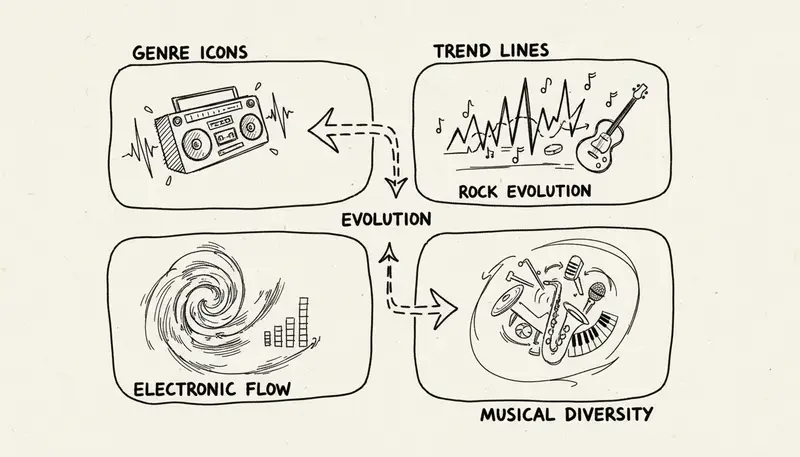
The most useful way to read music trends in 2026 is not to chase dramatic claims like "AI songs are taking over charts" or "one new genre is changing everything." The bigger shift is structural:
- More music is being created faster.
- More creators are mixing human and AI workflows.
- More songs are made for specific formats and communities.
- More value sits in iteration, audience fit, and release execution.
That means the "latest music trends" are not only about sound. They are also about how music gets made, refined, and distributed.
Trend 1: AI-Assisted Creation Is Becoming Normal
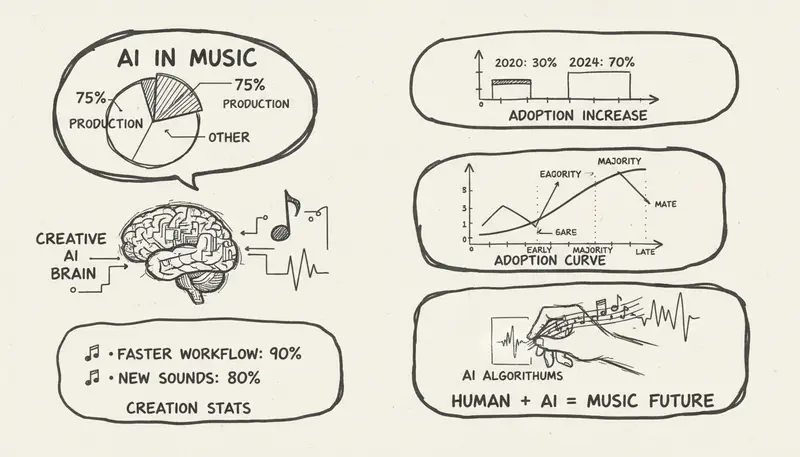
The most durable trend is not fully autonomous AI music. It is AI-assisted music creation.
Creators increasingly use AI for:
- first drafts
- lyric brainstorming
- arrangement directions
- stylistic exploration
- background music production
- revision support
The important distinction is that good creators do not stop at the first output. They use AI to accelerate the path to a better result.
This is where MusicMake.ai's Music Agent matters. It helps users move from vague critique to better prompts and tool choices, which is more useful than a one-shot generator that leaves users stuck after a weak result.
Trend 2: Revision Is More Valuable Than Raw Generation
Many products can now generate acceptable music. Fewer products help creators repair, reshape, and finish it.
That is why revision-first workflows are becoming a real trend:
- extending a song without losing the mood
- replacing only one weak section
- removing vocals from a source track
- rewriting lyrics or style direction
- combining multiple ideas into one final version
MusicMake.ai reflects this shift because it connects Generate, AI Lyrics Generator, AI Music Style Generator, Cover, Extend, Add Tracks, Mashup, Replace Section, and Vocal Remover around a broader workflow.
Trend 3: Niche Music Communities Continue to Matter
Broad mainstream categories still matter, but creator growth increasingly happens in smaller scenes:
- hyper-specific mood playlists
- creator-owned fan communities
- micro-genres on short-form platforms
- localized language scenes
- fandom-driven remix cultures
This matters because AI lowers the cost of producing music for narrower audiences. Instead of chasing one generic "hit" sound, creators can test more specific identity and emotional direction.
The result is not one giant genre replacement. It is more fragmentation and more experimentation.
Trend 4: Short-Form Content Keeps Shaping Music Decisions
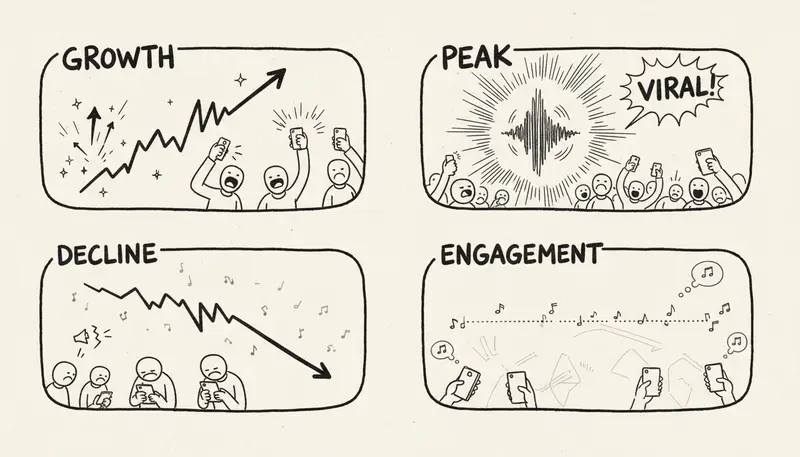
Music is increasingly created with short-form distribution in mind:
- stronger opening hooks
- faster mood establishment
- loop-friendly structures
- cleaner vocal moments for clipping
- alternate edits for different platforms
This does not mean every song becomes a short-form template. It means creators increasingly think about how music behaves inside videos, social posts, and fast discovery environments.
For this reason, tools that make iteration faster have a real advantage.
Trend 5: Background and Functional Music Keep Expanding
AI music is especially strong in use cases where creators need music that is:
- custom
- fast
- affordable
- versioned for multiple outputs
- less dependent on star identity
That includes:
- YouTube videos
- podcasts
- ads
- games
- apps
- wellness or study content
- branded social campaigns
This is one reason AI music generation keeps growing even when debates about "real artistry" continue. There is a large practical demand for usable, adaptable music.
Trend 6: Discovery Is Becoming a Quality Filter Problem
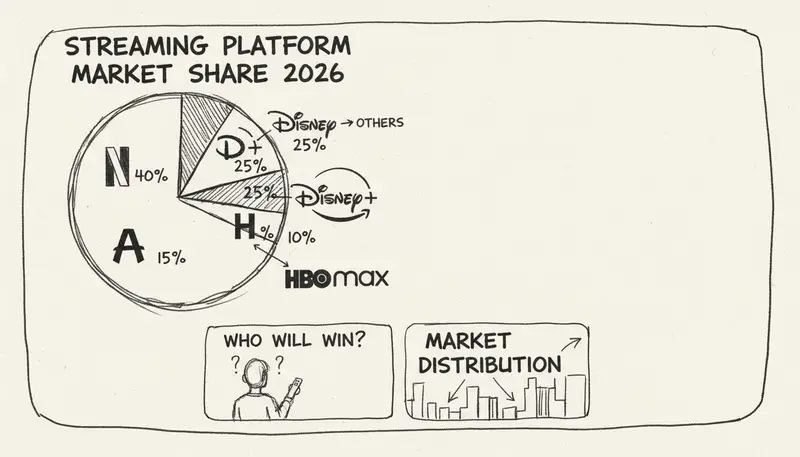
As more music is released, the bottleneck shifts from production to attention.
Creators and platforms now face a harder question:
How do listeners find the songs that actually matter to them when the volume of content keeps rising?
That makes these skills more important:
- clearer artist positioning
- stronger storytelling
- better audience fit
- more intentional release packaging
- better curation
In other words, faster music production does not remove the need for taste. It makes taste more valuable.
Trend 7: Direct Fan Relationships Still Outperform Generic Reach
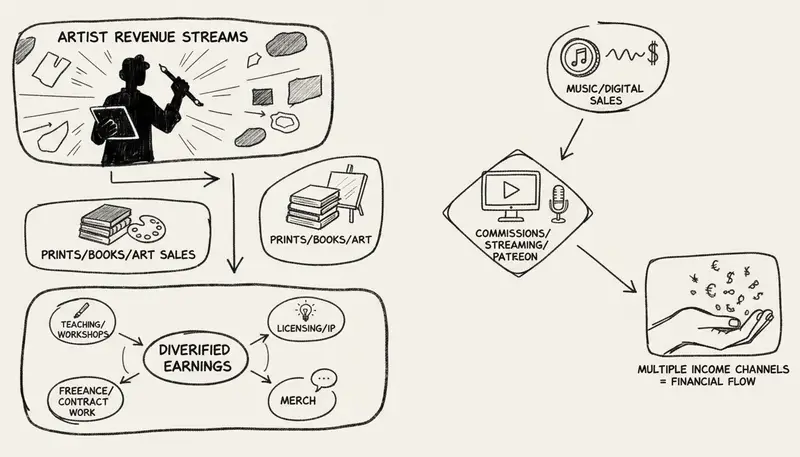
The creator side of music keeps moving toward repeatable audience relationships:
- subscriptions
- communities
- exclusive drops
- behind-the-scenes access
- serialized creation stories
AI music tools can help creators ship more often, but frequency alone is not the strategy. What matters is whether a creator can turn output into a recognizable relationship with listeners.
That is why a compelling story, a distinct aesthetic, or a clear niche still matters more than raw song volume.
Trend 8: Global and Multi-Language Workflows Are Easier
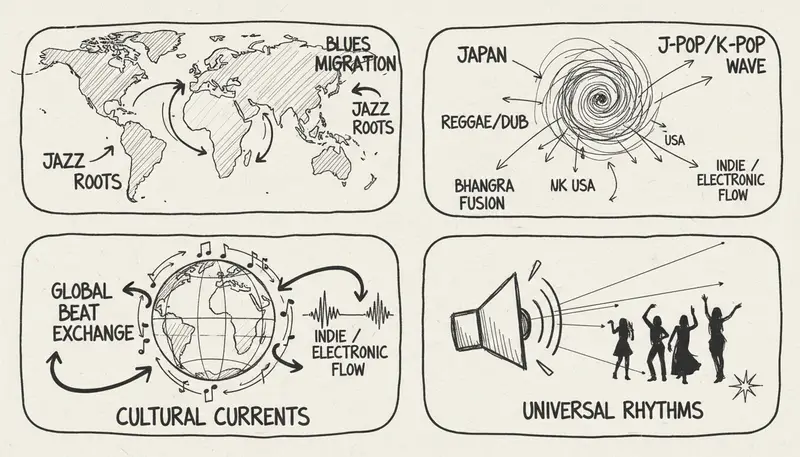
Technology is also making it easier for creators to work across scenes and languages:
- multilingual lyric drafting
- faster reference-based style exploration
- localized edits for different audiences
- more fluid collaboration across markets
This does not erase the importance of cultural context, but it does reduce production friction.
For global creator products, this means the workflow must support more than one musical use case and more than one kind of user.
Why Music Agents Are a Real Trend
One of the strongest 2026 music-tech trends is the move from "AI generator" to "AI creative assistant."
The reason is practical:
Users often know what is wrong with a song, but they do not know how to fix the prompt.
That is why Music Agent, Song Agent, Music GPT, and Music Chat-style experiences are becoming more important. The real value is not conversation for its own sake. It is helping users:
- describe what is wrong
- convert feedback into better instructions
- choose the next tool
- waste fewer generations
- reach a release-ready result faster
This is exactly the direction MusicMake.ai is pushing toward.
What Creators Should Do With These Trends
Instead of chasing every trend headline, creators should build around a stronger workflow:
- Use AI to draft and iterate, not just generate once.
- Keep a clear creative direction instead of following every micro-trend.
- Optimize songs for real audience contexts, including short-form and background use where relevant.
- Use editing tools to improve weak outputs instead of repeating the same prompt.
- Build a fan relationship, not just a release schedule.
Bottom Line
The latest music trends in 2026 are not just about what sound is popular. They are about how music gets created, revised, distributed, and understood.
The durable shifts are:
- AI-assisted creation
- revision-first workflows
- niche audience fragmentation
- short-form packaging
- direct fan relationships
- better creative tooling
MusicMake.ai fits these trends best when it is framed not as a basic AI music generator, but as a broader creation system built around Music Agent-led iteration and connected editing tools.
Last reviewed: June 7, 2026.
Yazar

Kategoriler
Daha Fazla Yazı
MusicMake.ai Mobile Update: Create Music From Your Phone Like an App
MusicMake.ai now gives creators a complete mobile flow for listening, generating, refining with Music Agent, opening tools, and managing songs from a phone.

AI Songwriting Guide: How to Write Songs with AI in 2026
Learn how to use AI songwriting tools to write better songs faster. Step-by-step guide covering lyrics, melody, arrangement, and production with AI assistance.

how to become a music producer with ai tools - MusicMake.ai Guide
Learn about how to become a music producer with ai tools with this comprehensive guide from MusicMake.ai.