OpenAI Audio Models 2026: What Music Creators Should Verify
Review OpenAI audio models for creators, separating official availability from speculation and comparing audio tooling with MusicMake.ai music workflows.
Short Answer
Do not plan your music workflow around unannounced OpenAI model names or leaked subdomain claims. OpenAI has official audio and speech models, but any article claiming a specific unreleased music product, launch date, API, or pricing should be treated as speculation unless OpenAI has published it.
For production work today, compare official OpenAI audio capabilities with purpose-built music workflows such as MusicMake.ai Music Agent, Generate, Cover, Extend, and Vocal Remover.
What Is Officially Useful To Know
OpenAI has published audio-related work and products over time, including research projects such as MuseNet and Jukebox, and API audio models for speech, transcription, and voice-agent experiences.
Official references worth checking:
- OpenAI audio and speech guide
- OpenAI next-generation audio models announcement
- OpenAI MuseNet research post
- OpenAI Jukebox research
Those sources are more reliable than recycled posts about unreleased names.
What This Means For Music Creators
OpenAI audio tools may be useful for:
- speech input and output
- voice-agent interaction
- transcription and audio understanding
- prototyping audio interfaces
- research context around generative music
That is different from a full music production workflow. Music creators still need tools for song generation, lyrics, style direction, extension, cover workflows, section replacement, stems, exports, records, and plan-based commercial-use checks.
Where MusicMake.ai Fits
MusicMake.ai is built around the full music task, not only audio input/output:
- Start from an idea, lyrics, style, saved song, or uploaded audio.
- Generate a first version.
- Use Music Agent to diagnose what is wrong.
- Continue with Extend, Cover, Add Tracks, Mashup, Replace Section, Vocal Remover, or Stem Splitter.
- Save outputs and check plan-based rights before commercial use.
This makes MusicMake.ai more relevant when the job is "finish a song I can use," while general audio APIs are often better for developer-level voice and audio interfaces.
How To Evaluate Future OpenAI Music Announcements
When OpenAI or any major AI lab announces audio features, ask:
| Question | Why it matters |
|---|---|
| Is music generation officially supported? | Audio support does not automatically mean full songs. |
| Are vocals, lyrics, structure, and duration supported? | A song workflow needs more than short audio clips. |
| What are the output rights? | Commercial projects depend on current terms. |
| Is there an API, app UI, or both? | Developers and creators need different workflows. |
| Can outputs be edited, extended, or revised? | First drafts are rarely final. |
Avoid These Stale Claims
Do not rely on claims such as:
- a fixed launch quarter for an unannounced model
- confirmed API access based only on a domain screenshot
- guessed pricing or free tiers
- guaranteed commercial use before terms exist
- claims that one model will replace all music tools
Those statements are exactly the type of content Google and users can treat as thin or unreliable.
Practical Recommendation
If you are building an app, read OpenAI's official audio docs. If you are making music, test the current MusicMake.ai workflow and compare it with any official OpenAI product only after the actual feature, pricing, and terms are published.
Más publicaciones
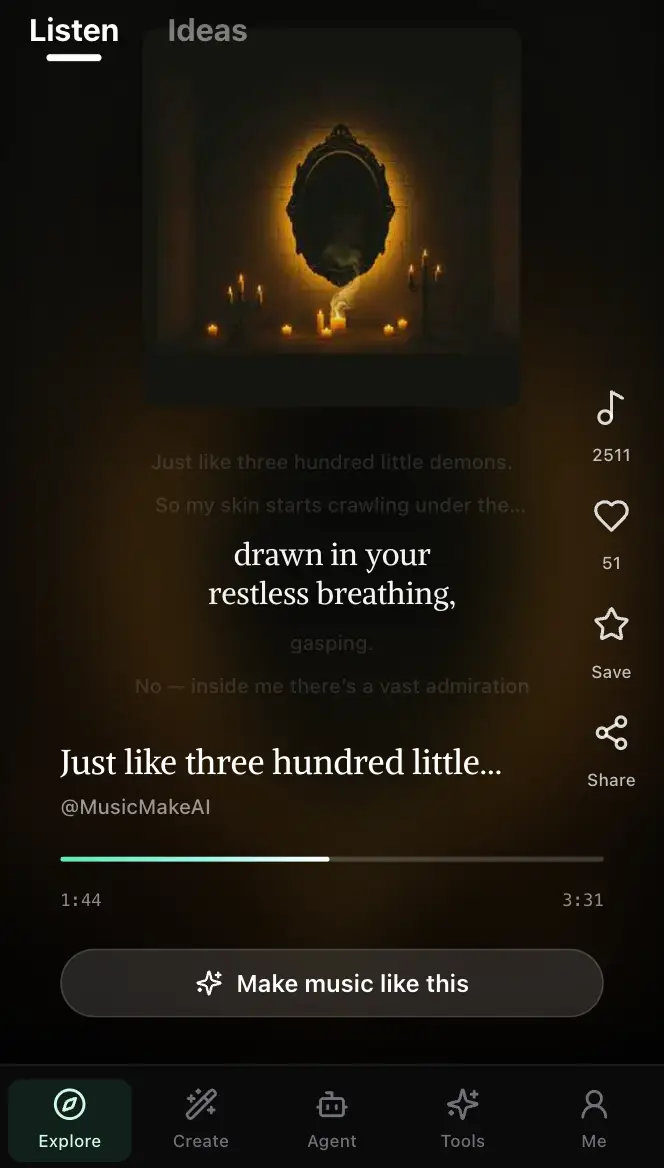
MusicMake.ai Mobile Update: Create Music From Your Phone Like an App
MusicMake.ai now gives creators a complete mobile flow for listening, generating, refining with Music Agent, opening tools, and managing songs from a phone.

AI Songwriting Guide: How to Write Songs with AI in 2026
Learn how to use AI songwriting tools to write better songs faster. Step-by-step guide covering lyrics, melody, arrangement, and production with AI assistance.
how to become a music producer with ai tools - MusicMake.ai Guide
Learn about how to become a music producer with ai tools with this comprehensive guide from MusicMake.ai.