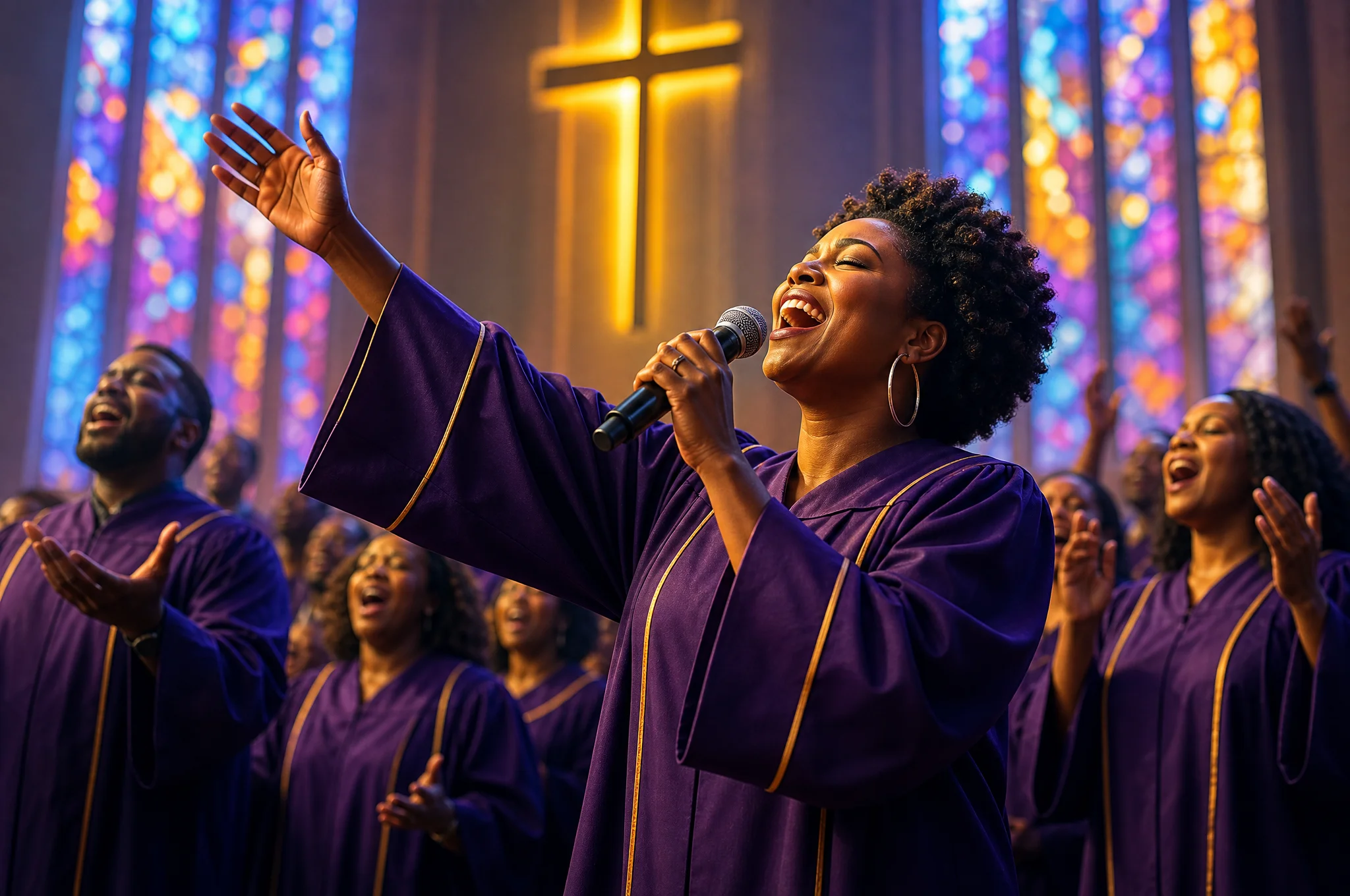
Religious/Gospel Music Styles: A Complete Guide to AI Music Creation
Explore religious/gospel music styles and subgenres, and master AI music creation techniques. Create professional gospel music with MusicMake.ai.
What Is Religious/Gospel Music?
Religious/Gospel Music is a form of music centered on the expression of faith and spiritual devotion. Originating from Christian worship practices, it has developed a rich musical tradition spanning a wide range of styles, from classical hymns to contemporary worship music.
The most distinctive characteristics of gospel music are its intense emotional expression and the central role of the human voice. Choirs, soloists, and vocal harmonies are the soul of this genre, complemented by instruments like piano, organ, and guitar to create an atmosphere that is both reverent and warm. Whether in traditional Black Gospel or modern worship music, this style consistently reaches deep into the human spirit. From the quietly sung spirituals of 18th-century Southern plantations to the mass singalongs of 21st-century arena worship, gospel music has transcended the boundaries of time, race, and geography to become one of the most moving musical forms in the world.
In AI music creation, gospel music is a field full of potential. Its harmonic structures are relatively clear and its melodic lines are strong, making it well-suited for AI-generated accompaniment and arrangement while preserving the emotional depth of human vocal expression. AI technology can learn the rich harmonic language and rhythmic patterns in gospel music to produce works that are both faithful to tradition and creatively innovative.
Whether you are a church musician, video creator, or music enthusiast, MusicMake.ai can help you quickly generate high-quality gospel music materials. From solemn hymns to vibrant contemporary worship, AI can precisely capture the essence of gospel music.
Core Characteristics
- Voice-centric: Soloists, choirs, and layered harmonies are the soul of gospel music. In the Black Gospel tradition, the call-and-response interaction between the lead singer and choir is the most iconic expression. Choirs are typically composed of dozens of members, creating powerful multi-part harmonies. Solo singers convey personal faith experiences with penetrating vocals.
- Intense emotional expression: Music serves the spiritual experience, with emotions that are sincere and profound. Gospel music never shies away from expressing emotion — from deep sorrow to rapturous praise, from quiet meditation to passionate cries, the emotional arc runs through the entire piece. This authentic emotional expression is what distinguishes gospel music from other forms.
- Rich harmony: Extensive use of seventh, ninth, eleventh, and suspended chords, with harmonic progressions that are warm and complex. Gospel harmony is deeply influenced by jazz, favoring colorful extended chords. Classic gospel progressions like ii-V-I and I-vi-IV-V create harmonic effects that are both solemn and moving.
- Diverse rhythms: From solemn adagio to energetic allegro, the rhythmic range is wide. Traditional gospel tends toward freer rhythmic treatment, while modern urban contemporary gospel incorporates strong hip-hop and R&B beats. Rhythmic changes often mirror the emotional development of a song, gradually building from quiet confession to climactic praise.
- Instrumentation: Piano is the most essential gospel instrument, followed by organ, guitar, bass, and drums. Modern gospel also incorporates string sections, brass instruments, and synthesizers. Piano playing typically features improvisational accompaniment textures, while organ provides sustained harmonic support and a solemn tonal atmosphere.
- Improvisational elements: Especially in the Black Gospel tradition, improvised singing and playing are essential components. Singers frequently embellish and vary established melodies freely, and musicians improvise based on the atmosphere of the moment. This spontaneity makes every gospel performance unique, full of unpredictable surprises.
- Lyrical themes: Centered on spiritual themes such as faith, hope, gratitude, redemption, comfort in suffering, and longing for eternity. Lyrics often reference scripture or are presented as personal testimonies, combining theological depth with human warmth. Hymn lyrics are carefully crafted with poetic literary quality.
- Community: Emphasizes collective participation and response, giving the music a strong sense of ritual. In church worship, the congregation is not a passive audience but an active participant — joining the music through singing, clapping, and vocal responses. This communal musical experience creates a collective spiritual resonance that transcends the individual.
History
Gospel music's history traces back to 18th-century America's South, where African Americans, in the context of slavery, blended African musical traditions with Christian hymns to create a unique Spirituals tradition. These early works expressed a longing for freedom and redemption.
In the early 20th century, Thomas A. Dorsey, known as the "Father of Gospel Music," introduced blues and jazz elements into church music, pioneering modern gospel. Legendary singers like Mahalia Jackson and Aretha Franklin later brought gospel music into the mainstream. During the 1960s civil rights movement, gospel music became a vital force for unity and resistance.
Contemporary gospel has branched into multiple streams: traditional gospel, contemporary worship music (CCM), urban contemporary gospel, and more. Worship music labels like Hillsong and Bethel Music have brought gospel into the global era, while Kanye West's "Jesus Is King" demonstrated the possibilities of fusing gospel with pop music.
In China, gospel music is also flourishing. Many Chinese churches have begun creating worship music with local characteristics, blending traditional Chinese instruments with modern arrangements to form a distinctive Chinese gospel music style.
Gospel music's influence on modern popular music is profound and far-reaching. Without gospel, there would be no Soul, Funk, or R&B. Ray Charles pioneered soul music by combining gospel singing techniques with secular lyrics; James Brown drew inspiration from the rhythmic traditions of Black Gospel to shape the foundations of funk. The many artists of Motown Records — from Stevie Wonder to Marvin Gaye — were deeply nourished by gospel music. The influence of Black Gospel is clearly audible in the vocal style of contemporary pop icon Beyoncé. Hip-hop has also benefited from the gospel tradition, with Kirk Franklin successfully blending rap rhythms with gospel spirit to open up an entirely new musical frontier.
The global spread of gospel music accelerated in the 21st century. South Korean worship music teams have had a tremendous impact on Chinese churches worldwide. Africa — particularly Nigeria and South Africa — has become a major center of gospel music creation, producing internationally influential artists like Sinach and Nathaniel Bassey. Spanish-language gospel in Latin America has incorporated local rhythms like samba and salsa to create vibrant new styles. Asian countries including Japan, India, and the Philippines have also developed distinctive local gospel traditions. The proliferation of the internet and streaming platforms has further accelerated this process, enabling gospel music from different cultural backgrounds to cross-pollinate and blend, forming a truly global musical phenomenon.
Gospel Music and the Digital Age
The widespread adoption of digital technology is profoundly transforming how gospel music is created, distributed, and consumed. Traditional gospel music production required expensive studio equipment and professional production teams, but today, a computer and a digital audio workstation (DAW) can produce high-quality music. This has enabled more independent musicians and small churches to participate in gospel music creation.
Streaming platforms like Spotify, Apple Music, and YouTube have become the primary channels for gospel music distribution. Worship music labels like Hillsong Worship and Bethel Music have accumulated hundreds of millions of streams, bringing contemporary worship music to global audiences. Short-form video platforms on social media have also become new frontiers for gospel music dissemination, with many worship song clips going viral on TikTok and Instagram.
AI music generation technology opens new possibilities for gospel music creation. Creators can use AI to quickly generate accompaniment, arrangements, and harmonies, significantly lowering production barriers and costs. For churches, AI tools can help customize music for worship settings of different scales; for independent musicians, AI provides an efficient creative assistant, freeing them to focus more on lyric writing and emotional expression.
Creating Gospel Music with MusicMake.ai
Using AI Music Generator
Visit the Generate page and enter a description of your desired gospel style. For example:
- "Warm contemporary worship music with piano and string accompaniment, female solo vocal"
- "Energetic Black Gospel choir with organ and drum accompaniment"
The built-in AI Style Generator can help you transform vague ideas into precise gospel music style descriptions.
Using Music Agent
Tell the Music Agent the gospel style you want, for example:
- "Create a solemn hymn with organ accompaniment"
- "Compose an instrumental piece in contemporary worship style"
- "Generate an energetic gospel song with choir effects"
Using AI Lyrics Generator
The AI Lyrics Generator can generate gospel-style lyrics for you. Enter the themes you want to express — such as gratitude, hope, the power of faith — and the AI will create lyrics that combine theological depth with poetic beauty, ready for your music creation.
Using AI Prompt Enhancer
In Simple mode, the AI Prompt Enhancer can expand a single sentence into a complete gospel music description, automatically adding details about harmony, instruments, and emotion.
Subgenres
| Subgenre | Description |
|---|---|
| Traditional Gospel | Classic church choir style with piano and organ at its core |
| Black Gospel | Strong rhythmic drive, improvisational singing, and emotional intensity |
| Contemporary Worship | Modern production with rock and pop elements |
| Urban Contemporary Gospel | Modern gospel blending R&B and hip-hop elements |
| Hymns | Classical hymn style with four-part harmony |
| Southern Gospel | American Southern tradition featuring quartets |
| Latin Gospel | Blending Latin rhythms with Spanish lyrics |
| Gospel Country | Fusion of country music and gospel |
| Gospel Blues | Combining blues elements with gospel themes |
| Spirituals | Traditional African American spirituals |
| Worship Instrumental | Purely instrumental worship music |
| Children's Gospel | Gospel music for children |
| Gospel Rap | Gospel music in rap form |
| Gospel Jazz | Jazz harmony blended with gospel themes |
| Gospel Electronic | Electronic music elements fused with gospel |
| Gospel Rock | Gospel music with rock arrangements |
| Gospel Reggae | Reggae rhythms blended with gospel lyrics |
| Asian Gospel | Gospel music creation with Asian influences |
Best Practices
1. Prioritize Vocal Arrangement
The soul of gospel music lies in the human voice. When using AI generation, prioritize configurations with vocal elements, or leave ample space for vocals. Layered choir harmonies can create a solemn and sacred atmosphere.
2. Harmony Is Key
Use rich harmonic progressions and avoid overly simple chord patterns. Seventh, ninth, and suspended chords add warmth and depth to gospel music. Classic gospel progressions like I-V-vi-IV can create deeply moving effects.
3. Let Rhythm Serve Emotion
Choose rhythms that match the emotional tone of the song. Solemn pieces suit slower tempos and simple drum patterns, while celebratory pieces can use more complex rhythmic patterns. Rhythmic changes should align with the emotional arc of the lyrics.
4. Use AI to Explore Fusion Styles
Fusing gospel with other styles is an important trend in contemporary creation. Try using the AI Style Generator to explore innovative combinations like "Gospel + R&B" or "Gospel + Electronic." These fusion styles can attract a wider audience.
5. No Commercial Risk
Gospel music generated with MusicMake.ai carries no commercial risk — you can confidently use it for church events, video soundtracks, or personal projects. All generated music comes with full commercial licensing.
6. Respect Cultural Roots
Gospel music carries deep cultural and historical significance. Understanding the cultural backgrounds of different gospel traditions helps you make more accurate style choices. Black Gospel, Southern Gospel, and contemporary worship each have their own aesthetic standards and expressive methods — respecting these differences helps you create more compelling music.
7. Use Structural Variation
Gospel music typically features clear structural shifts — building from a quiet introduction to a climax, or reaching an emotional peak at the bridge. When using AI generation, you can guide the musical structure by describing emotional dynamics, such as "start with a quiet piano solo, gradually add strings and drums, and reach an emotional climax at the chorus."
Frequently Asked Questions
How can I make AI-generated gospel music sound more "soulful"?
Use specific emotional descriptors (like "warm," "sincere," "powerful") and traditional instrument configurations (piano, organ, choir). Avoid overly electronic timbres and choose sounds closer to real instruments. The improvisational elements and emotional intensity of Black Gospel music are what give it its unique appeal.
Can MusicMake.ai generate gospel songs with lyrics?
Yes. MusicMake.ai supports generating complete songs, including melody and lyrics. You can describe your desired lyrical themes and style on the Generate page, and the AI will create them for you. Whether it's a traditional hymn or a modern worship song, AI can accurately capture the spiritual essence of gospel music.
What scenes is gospel music suitable for?
Gospel music is suitable for church services, weddings, funerals, holiday celebrations, documentary soundtracks, healing spaces, and more. Music generated with MusicMake.ai carries no commercial risk and can be used freely. Whether for personal faith expression or public event soundtracks, gospel music adds a solemn and warm atmosphere to any setting.
How can I simulate a choir effect in AI-generated music?
Clearly specify the choir size and vocal arrangement in your description, such as "20-voice mixed choir, four-part harmony." Also add spatial descriptors like "solemn," "grand," and "reverberant" to help the AI simulate the acoustics of a church or concert hall. You can also ask the AI to add choir unison effects in the chorus sections for a stronger emotional impact.
What is the difference between gospel music and worship music?
Gospel Music and Worship Music are closely related but distinct. Gospel music emphasizes performance and artistry, typically performed by solo artists or choirs, with more diverse styles that incorporate R&B, jazz, and soul elements. Worship music prioritizes congregational participation, with simple melodies that are easy to sing, and lyrics focused on direct praise and prayer to God. When using MusicMake.ai, you can distinguish between the two styles through your descriptions — for gospel, emphasize "choir," "emotional intensity," and "improvisation"; for worship, emphasize "congregational singing," "simple melodies," and "quiet worship."