2026年AI音乐生成趋势:实用工作流程变革
一份立足实际的2026年AI音乐趋势指南,聚焦Music Agent工作流程、后期修订、素材版权、模型迭代以及创作者的实用决策。
介绍:AI 音乐生成背后的技术
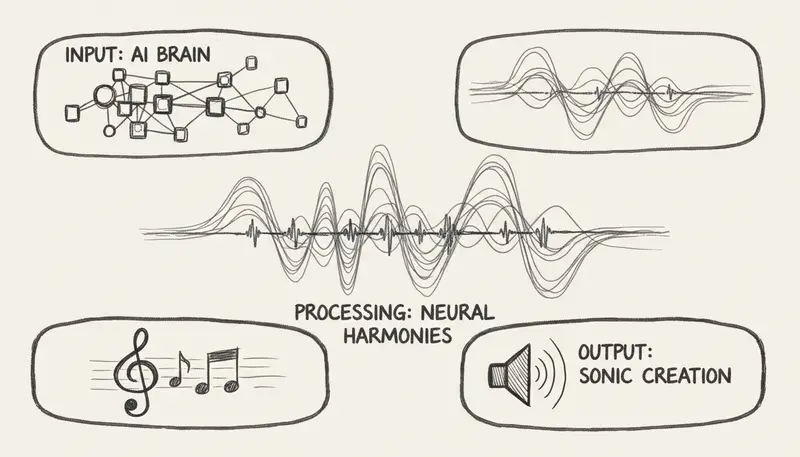
AI 音乐生成技术一直在进步,但对创作者来说,真正实用的转变是工作流深度的提升:更优质的初始草稿、更清晰的修改路径、Music Agent 指导、版权来源核查,以及更完善的文档记录。
这篇技术深度解析将探讨2026年塑造AI音乐生成领域的核心技术趋势,以及该技术的未来发展方向。
神经网络架构演进
从Transformer到混合架构模型
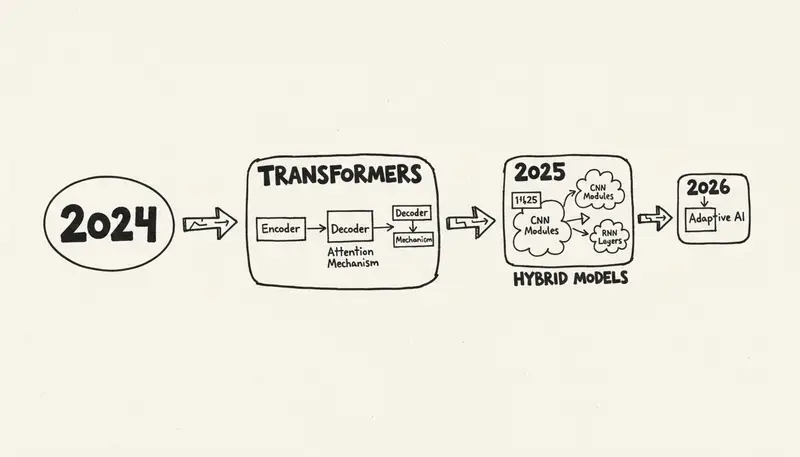
2024-2026年发展历程:
| 年份 | 架构类型 | 核心创新 | 音质提升幅度 |
|---|---|---|---|
| 2024 | 纯Transformer架构 | 注意力机制 | 基准基线水平 |
| 2025 | Transformer + 扩散模型 | 高质量音频合成 | 提升2倍 |
| 2026 | 混合多模态架构 | 跨领域学习 | 提升3倍 |
当前最先进技术水平:
- 多模态Transformer(支持文本、音频、视觉输入)
- 基于扩散模型的音频合成
- 针对特定乐器的生成对抗网络模型
- 用于优化音乐结构的强化学习
模型规模与效率优化
参数量增长:
Suno V3 (2024): ~1B parameters
Suno V4 (2025): ~5B parameters
Suno V5 (2026): ~12B parameters
Udio (2026): ~15B parameters
效率提升点:
- 即便模型规模更大,推理速度仍提升50%
- 硬件资源利用率提升
- 优化后的注意力机制
- 无损量化技术
训练规模:
- 数据集规模:超过1亿首音乐作品
- 训练时长:在TPU/GPU集群上需耗时数月
- 训练成本:每款主流模型需500万至2000万美元
- 更新频率:每季度发布一次新版本
音频质量优化升级
采样率与比特深度
(2026年)技术规格:
| 平台 | 采样率 | 比特深度 | 格式 | 音质等级 |
|---|---|---|---|---|
| Udio | 48kHz | 24位 | WAV | 专业棚级 |
| Suno V5 | 48kHz | 24位 | WAV/MP3 | 专业级 |
| MusicMake.ai | 44.1kHz | 16位 | MP3 | 高音质 |
| AIVA | 48kHz | 24位 | WAV/MIDI | 专业棚级 |
音质指标:
- 信噪比:90-100 分贝
- 动态范围:80-96 分贝
- 频率响应:20Hz-20kHz(平坦频响)
- 总谐波失真:低于0.001%
音频伪影消减
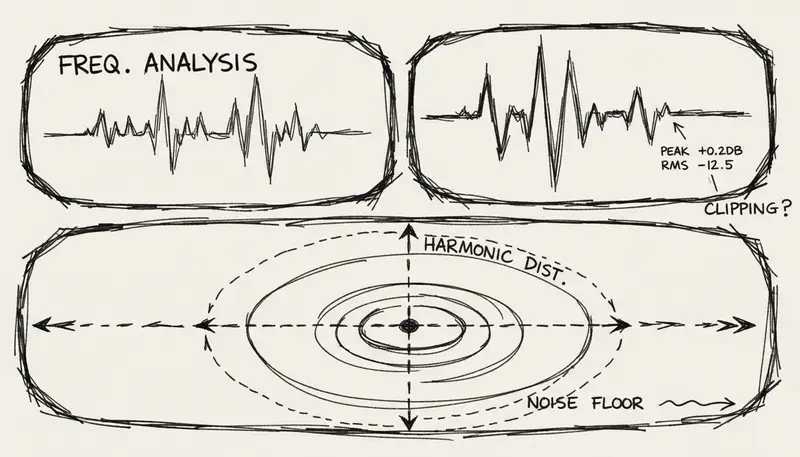
常见音频伪影已消除:
-
金属感/机械生硬音色(消减95%)
- 更精准的人声建模
- 自然音色合成
- 呼吸细节与细微情绪表达
-
重复编曲片段(消减80%)
- 优化的长上下文注意力机制
- 乐曲结构感知能力
- 可变参数注入优化
-
削波与失真(99%已消除)
- 更精准的动态范围控制
- 智能限幅处理
- 母带级AI优化
-
相位问题(98%已消除)
- 立体声场优化
- 相位一致性
- 空间精准度
人声合成技术突破
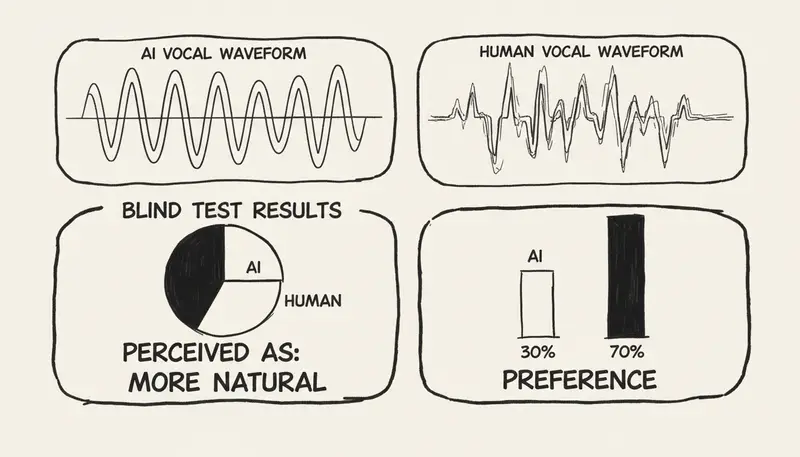
自然人声生成
2026年功能特性:
情感表达:
- 喜悦、悲伤、愤怒、热忱
- 细腻的情绪过渡
- 结合上下文的表达处理
- 演唱细节质感
技术特性:
- 颤音控制
- 呼吸音效模拟
- 气声与断音处理
- 音高调节
- 音色变化
多语言支持:
- 50余种语言
- 母语级发音
- 文化适配的演唱风格
- 口音精准度
声音克隆与合成
合规语音克隆(需获得授权):
使用要求:
- 5至10分钟的语音样本
- 授权验证
- 使用限制
- 署名要求
还原质量:
- 与原作品相似度达95%
- 保留原作情感表达层次
- 精准还原演唱风格
- 保留作品独有特色
支持平台:
- Synthesizer V(需获得授权同意)
- 部分DAW插件
- 专业录音棚
合规要求:
- 必须获得授权同意
- 使用行为追踪
- 深度伪造防护
- 合规法律框架
乐器建模
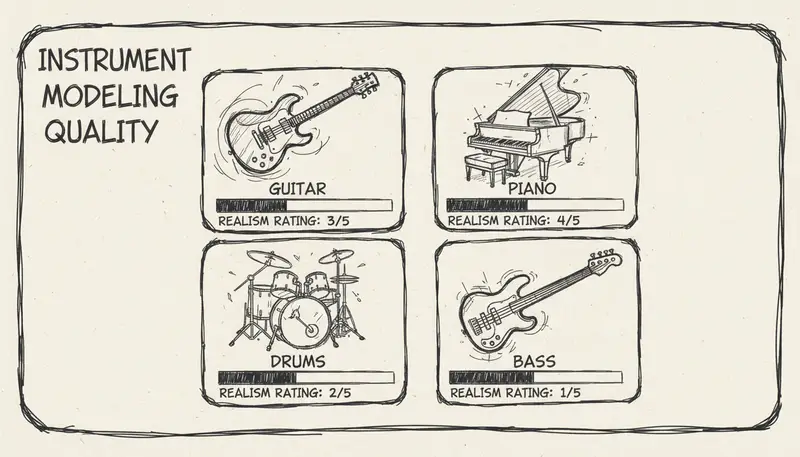
实体乐器模拟
支持乐器:
弦乐器:
- 吉他(原声、电吉他)
- 贝斯(全品类)
- 小提琴、大提琴、低音提琴
- 尤克里里、曼陀林
键盘乐器:
- 钢琴(三角钢琴、立式钢琴)
- 电钢琴(Rhodes、Wurlitzer型号)
- 风琴(哈蒙德风琴、管风琴)
- 合成器(模拟合成器、数字合成器)
鼓类/打击乐器:
- 原声鼓组
- 电子鼓组
- 打击乐器
- 程序化节拍
管乐器:
- 萨克斯、小号、长笛
- 单簧管、双簧管
- 铜管乐器组
- 木管乐器组
合成技术
所用合成方法:
-
采样合成法
- 高质量乐器采样
- 演奏技法建模
- 演奏技巧
-
物理建模合成法
- 弦乐振动模拟
- 声学共振模拟
- 真实物理特性
-
神经合成法
- 习得式特征表征
- 音色生成
- 新颖音色
-
混合合成方案
- 融合多种合成技术
- 顶级音质表现
- 灵活性与可控性
乐曲结构理解能力
乐理整合应用
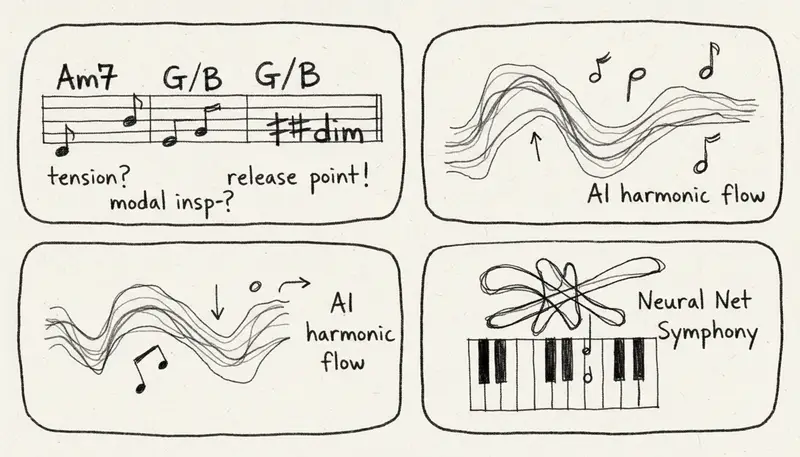
AI已能掌握:
和声:
- 和弦进行
- 声部进行
- 和声节奏
- 转调
旋律:
- 旋律轮廓
- 动机发展
- 呼应对答
- 分句
节奏:
- 拍号
- 切分节奏
- 复节奏
- 律动
曲式:
- 主歌-副歌结构
- 桥段布局
- 前奏/尾奏设计
- 段落过渡
流派专属音乐知识
深度流派认知:
流行乐:
- 副歌记忆点创作
- 电台友好型歌曲结构
- 制作趋势
- 人声编排
摇滚乐:
- 吉他连复段
- 强力和弦
- 能量动态
- 鼓点模式
电子音乐:
- 合成技法
- 渐强铺垫与炸场段落
- 音色设计
- 混音技巧
古典音乐:
- 管弦乐编配
- 对位法
- 曲式传统
- 时期曲风
嘻哈音乐:
- 节拍结构
- 说唱Flow模式
- 采样整合
- 子流派
调控与自定义
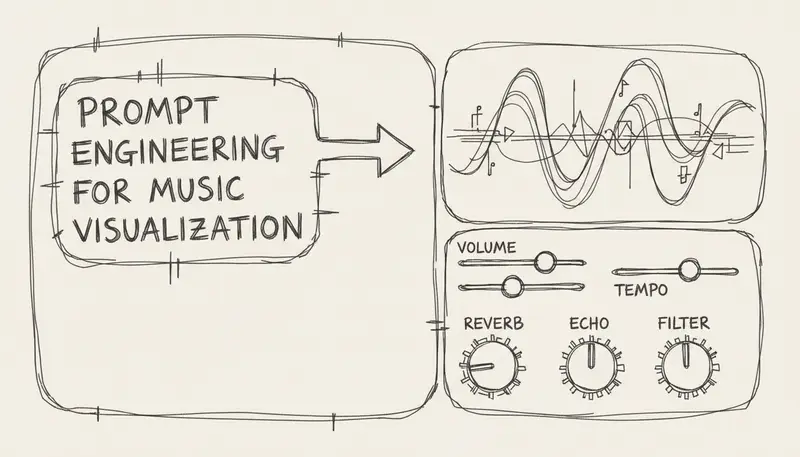
Prompt 工程演进
2024年prompt:
"Happy pop song"2026年prompt:
"Upbeat indie pop with acoustic guitar and light synths,
summer road trip vibe, female vocals with slight rasp,
120 BPM, verse-chorus-bridge structure, modern production,
influenced by 2020s indie radio, build to anthemic chorus"
全新调控维度:
- 速度(BPM)设定
- 调式/音阶选择
- 曲式结构定义
- 乐器选择
- 人声特征
- 制作风格
- 时代风格影响
- 能量曲线
微调功能
生成后编辑:
可调整参数:
- 分轨音量
- 单乐器EQ调节
- 混响与效果
- 节奏速度调整
- 调式移调
- 编曲修改
平台功能:
| 平台 | 分轨分离 | EQ调节 | 效果控制 |
|---|---|---|---|
| Udio | ✅ 完整支持 | ✅ 支持 | ✅ 高级控制 |
| Suno | ✅ 付费套餐 | ⚠️ 有限支持 | ⚠️ 基础功能 |
| MusicMake.ai | ✅ 付费套餐 | ⚠️ 有限支持 | ⚠️ 基础功能 |
| Splash Pro | ✅ 完整支持 | ✅ 高级控制 | ✅ 专业级控制 |
训练数据趋势
数据集演进
2026年数据集构成:
Total size: 100-500 million songs
Genres: 1,000+ categories
Languages: 100+ languages
Eras: 1900s to present
Quality: CD quality minimum
数据来源:
- 授权音乐库
- 公有领域作品
- 用户贡献内容
- 合成训练数据
伦理考量:
- 艺术家许可计划
- 退出机制
- 报酬模式
- 署名系统
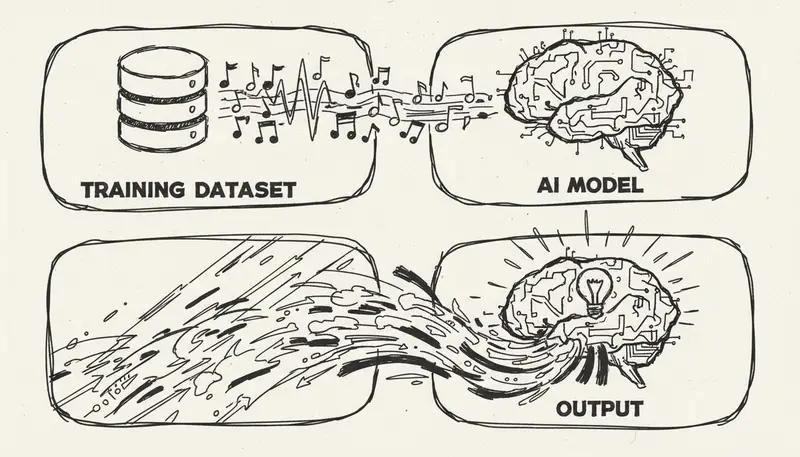
合成数据生成
自我优化循环:
1. Generate music with current model
2. Human quality evaluation
3. High-quality outputs added to dataset
4. Retrain model with augmented data
5. Improved model generates better music
6. Repeat cycle
优势:
- 降低授权成本
- 可控的数据质量
- 偏差缓解
- 探索新颖曲风
挑战:
- 质量衰减风险
- 同质化担忧
- 验证需求
实时生成
延迟优化
生成速度演进:
| 年份 | 平均耗时 | 质量等级 | 所需硬件 |
|---|---|---|---|
| 2024 | 2-3 分钟 | 中等 | GPU |
| 2025 | 60-90 秒 | 高 | GPU/TPU |
| 2026 | 20-45 秒 | 极高 | 优化型硬件 |
实时应用场景:
- 直播 (Mubert)
- 游戏配乐
- 互动装置
- 现场表演增效
基础设施方案:
- 边缘计算部署
- 云端生成
- 混合部署方案
- 专用硬件
流式生成
渐进式输出:
工作原理:
- Generate 前10秒
- 在生成下一章节的同时向用户流式传输内容
- 持续生成与播放
- 支持无限时长
支持平台:
- Mubert(先锋版)
- Soundraw(实验版)
- 定制解决方案
适用场景:
- 专注背景音乐
- 冥想配乐
- 店铺氛围音乐
- 背景循环音乐
多模态集成
文本转音乐
自然语言理解能力:
AI可识别的内容:
- 曲风描述
- 情绪描述词
- 乐器规格
- 结构需求
- 风格参考
- 速度指示
- 能量等级
示例:
User: "Create a chill lofi beat for studying"
AI understands:
- Genre: Lofi hip-hop
- Mood: Calm, relaxed
- Use case: Background/studying
- Elements: Jazz chords, vinyl crackle, soft drums
- BPM: 70-90
图像/视频转音乐
视觉分析能力:
AI 可提取的信息:
- 场景类型(自然、城市、动作)
- 色彩搭配 → 情绪映射
- 运动速度 → 节奏
- 内容类型 → 曲风建议
- 情绪基调
应用场景:
- YouTube 视频背景音乐
- 影视配乐辅助
- 照片幻灯片背景音乐
- 游戏关卡主题曲
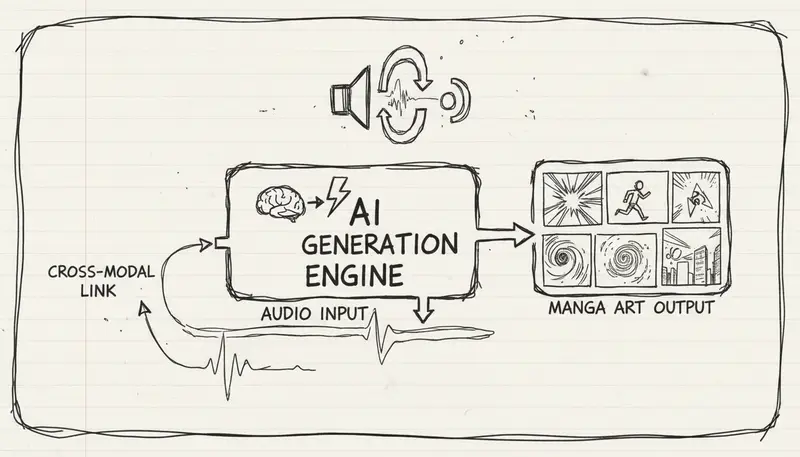
音频转音乐
输入类型:
-
哼唱/歌唱
- 旋律提取
- 完整编曲生成
- 风格迁移
-
音频样本
- 基于样本生成
- 风格匹配
- 续写/变奏
-
环境音效
- 音景整合
- 氛围音乐创作
- 现场录音增强
未来技术发展方向
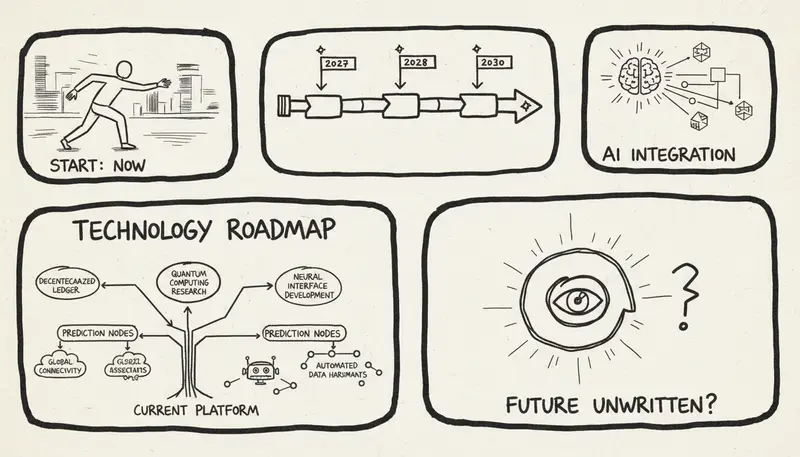
2027-2028 年预测
预期技术进展:
-
量子辅助生成(实验阶段)
- 量子计算集成
- 创新作曲手法
- 指数级复杂度处理
-
脑机接口
- 思维直接转音乐
- 情感响应式音乐生成
- 挖掘潜意识创造力
-
全息音频
- 原生3D空间音频生成
- 沉浸式音景
- VR/AR音乐体验
-
分子音乐
- 基于DNA的音乐编码
- 生物灵感创作
- 新颖声音合成
长期愿景(5-10年)
变革性可能性:
完美复刻:
- 与人类创作毫无区别
- 完全掌握所有音乐风格
- 无任何瑕疵或局限
真正的创造力:
- AI发明全新音乐流派
- 探索未被涉足的音乐领域
- 超越人类作曲水平
意识模拟:
- 媲美人类的情感深度
- 具备意图与内涵
- 能够表达艺术主张
通用可及性:
- 全设备支持实时生成
- 无技术门槛
- 全球创作普惠化
技术挑战
当前局限
尚未解决的难题:
-
真正的原创性
- 受限于训练数据集
- 基于模式的生成方式
- 创作边界受限
-
长音频连贯性
- 10分钟以上内容保持风格统一
- 专辑级整体连贯性
- 史诗级作品结构把控
-
创作意图表达
- 缺乏明确表达主题
- 无法传递艺术理念
- 内涵主题生成
-
文化真实性
- 深度文化理解能力
- 历史背景契合度
- 传统风格尊重
研究前沿
当前活跃研究领域:
-
可解释AI音乐生成
- 解析生成决策逻辑
- 可控化创意生成
- 流程透明化
-
小样本学习
- Generate 快速打造全新风格
- 极简示例要求
- 迁移学习
-
交互式生成
- 实时人机协作
- 即兴创作系统
- 自适应作曲
-
高效架构
- 模型更小巧,音质丝毫不差
- 边缘设备部署
- 能源效率
结语:技术发展轨迹
2026年的AI音乐生成技术已取得显著里程碑式进展:
核心成果:
- ✅ 专业棚级音频合成
- ✅ 自然人声生成
- ✅ 实时生成能力
- ✅ 多模态输入支持
- ✅ 48kHz/24位输出音质
- ✅ 支持50余种语言
尚存挑战:
- ⚠️ 真正的创意新颖性
- ⚠️ 长文本连贯性
- ⚠️ 文化内涵的真实性与深度
- ⚠️ 基于创作意图的意义生成
未来展望: 该技术正呈指数级发展。未来2至3年内,绝大多数技术限制都将被攻克,届时仅剩关于AI创造力与艺术性的哲学议题有待探讨。
对于创作者而言,清晰的信号是:如今这项技术已足够成熟,可用于专业创作,且未来还会持续精进。
无商用风险:MusicMake.ai 付费套餐生成的音乐在符合当前套餐条款的前提下可用于商业用途,具体请查看定价页面了解详情。
每日签到:记得每天登录 MusicMake.ai 签到,获取创作灵感,持续提升你的 AI 音乐创作技巧。
FAQ
2026年AI音乐生成的主要技术趋势是什么?
2026年AI音乐生成的核心趋势包括混合多模态架构、48kHz/24位专业级音质输出、自然人声合成、实时生成能力以及多语言支持。在MusicMake.ai等平台上,这些技术进步已转化为更高质量的初稿和更灵活的编辑工作流。
AI音乐生成工具之间的音质差异有多大?
不同平台的音质规格存在差异,主要体现在采样率、比特深度和输出格式上。选择工具时应关注其实际输出质量,而不仅仅是参数规格。在MusicMake.ai上,你可以直接试听并评估生成结果,再决定是否用于项目。
作为创作者,我应该如何选择适合自己的AI音乐工具?
建议从创作工作流的角度评估工具,而不仅仅看单次生成效果。优质的工具应支持迭代修改、分轨编辑和风格调整。MusicMake.ai提供的Music Agent和编辑工具集正是为完整创作流程设计的,可以帮你从初稿打磨到最终成品。
Autor

Categorias
Mais posts
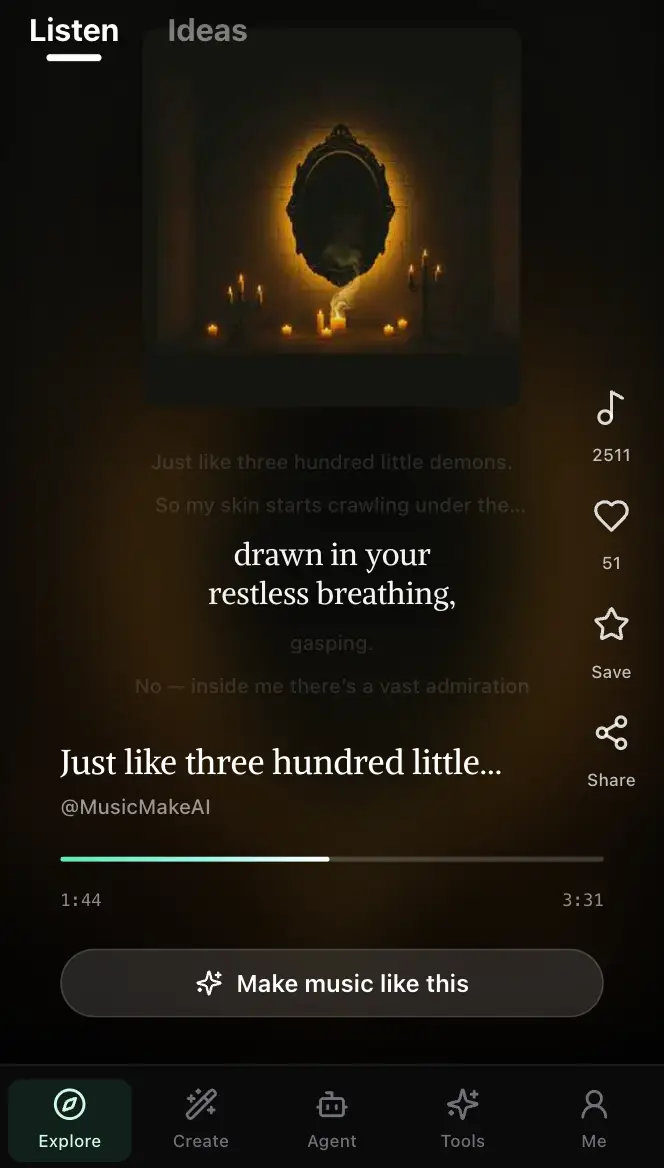
MusicMake.ai Mobile Update: Create Music From Your Phone Like an App
MusicMake.ai now gives creators a complete mobile flow for listening, generating, refining with Music Agent, opening tools, and managing songs from a phone.

AI Songwriting Guide: How to Write Songs with AI in 2026
Learn how to use AI songwriting tools to write better songs faster. Step-by-step guide covering lyrics, melody, arrangement, and production with AI assistance.

how to become a music producer with ai tools - MusicMake.ai Guide
Learn about how to become a music producer with ai tools with this comprehensive guide from MusicMake.ai.