AI Music News Watch 2026: How Creators Should Verify Updates
Learn how to verify AI music news on model releases, pricing, copyright, platform policies, and MusicMake.ai updates before using stale roundups.
Editor's Note
AI music news changes too quickly for frozen monthly roundup tables. Model names, credit costs, commercial-use terms, free-plan limits, and platform policies can change after an article is published.
This page replaces an older January roundup with a safer workflow: how to verify AI music news before you use it for production decisions.
What Creators Should Track
For practical work, most AI music news falls into five buckets:
| Update type | Why it matters | Best source |
|---|---|---|
| Model releases | Quality, duration, prompt behavior, and supported inputs can change | Official product changelog or app UI |
| Pricing and credits | Budgeting depends on current plan terms | Current pricing/account page |
| Commercial-use terms | Client, YouTube, streaming, and ads need clear rights | Current terms and plan details |
| Platform policies | YouTube, streaming, stores, and social platforms can require disclosures | Official policy pages |
| Workflow features | Editing, extend, cover, stems, and agents change what is actually possible | Product changelog and docs |
MusicMake.ai Source of Truth
For MusicMake.ai product changes, use the MusicMake.ai changelog as the update source. Blog posts are useful for tutorials and context, but the changelog is the better place to check what actually shipped.
Current MusicMake.ai positioning is broader than a one-shot generator:
- Generate songs from prompts, lyrics, styles, audio, or saved work.
- Use Music Agent to choose the next step instead of rebuilding prompts manually.
- Continue a song with Extend, Cover, Add Tracks, Mashup, Replace Section, Vocal Remover, and Stem Splitter workflows.
- Save, revisit, share, and organize work through the product library and community surfaces.
- Use plan-based commercial-use options and generation records where eligible.
How To Read Third-Party AI Music News
When you see a claim about Suno, Udio, Mureka, Soundraw, YouTube, Meta, OpenAI, or another platform, check three things before acting on it:
- Is the claim from an official source or a user report?
- Does it describe the current product, or an older model/version?
- Does it affect your workflow, your license, or only general industry interest?
Avoid relying on fixed claims like "X credits per day," "Y dollars per second," "commercial use is included forever," or "this model has a 90% success rate" unless the current official source still says so.
A Better AI Music News Checklist
Before you publish, buy, or promise a client deliverable, confirm:
- current pricing and credit costs
- current model availability
- current generation duration and export formats
- commercial-use language for your plan
- source-audio, vocal, lyric, and sample rights
- synthetic media or AI disclosure requirements on the destination platform
- whether the output needs human editing or documentation
What We Removed From Older Roundups
Older AI news posts often included exact release dates, platform claims, price tables, creator earnings, and trend numbers that were not stable enough to keep as evergreen advice.
Those details are risky because a blog can stay indexed long after the underlying product has changed. A better article should tell creators how to verify claims and how to make safer workflow decisions.
Where MusicMake.ai Fits
MusicMake.ai is best described as a music workflow platform with a Music Agent layer, not only as a prompt-to-song box.
Use it when you want to:
- create a first version from an idea, lyrics, or style
- continue from a saved song or uploaded audio
- fix one weak section instead of restarting
- generate covers, extensions, added tracks, or mashups
- separate vocals/stems and prepare reusable material
- keep records for commercial-use review under the applicable plan terms
FAQ
Is this a live news page?
No. It is a verification guide. For live product changes, use official sources, account pages, terms pages, and the MusicMake.ai changelog.
Should I trust old AI music pricing tables?
No. Pricing, credits, free quotas, and commercial terms are high-change areas. Check the current pricing page before budgeting.
Can MusicMake.ai blog posts replace legal advice?
No. Blog posts can explain workflows and risks, but copyright, licensing, and platform-policy decisions should be checked against current terms and, for serious releases, qualified advice.
Conclusion
The safest way to follow AI music news in 2026 is to treat every claim as a lead, not as final truth. Verify the current source, then decide whether the update changes your workflow, budget, rights, or publishing risk.
작성자

더 많은 글
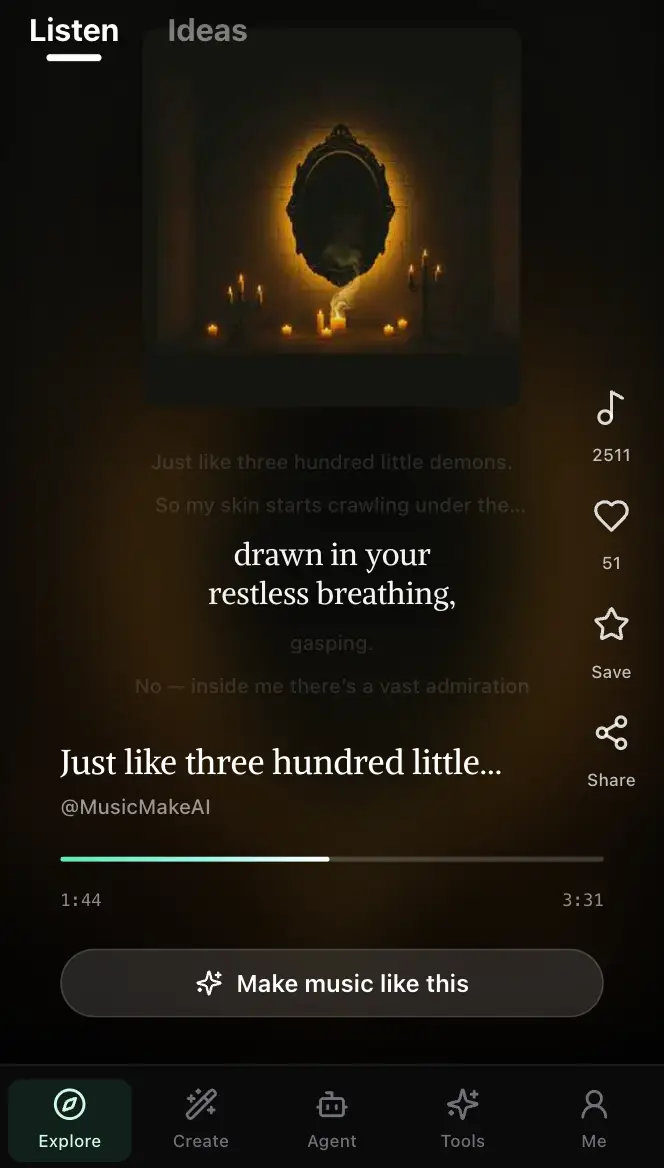
MusicMake.ai Mobile Update: Create Music From Your Phone Like an App
MusicMake.ai now gives creators a complete mobile flow for listening, generating, refining with Music Agent, opening tools, and managing songs from a phone.
AI Songwriting Guide: How to Write Songs with AI in 2026
Learn how to use AI songwriting tools to write better songs faster. Step-by-step guide covering lyrics, melody, arrangement, and production with AI assistance.
how to become a music producer with ai tools - MusicMake.ai Guide
Learn about how to become a music producer with ai tools with this comprehensive guide from MusicMake.ai.