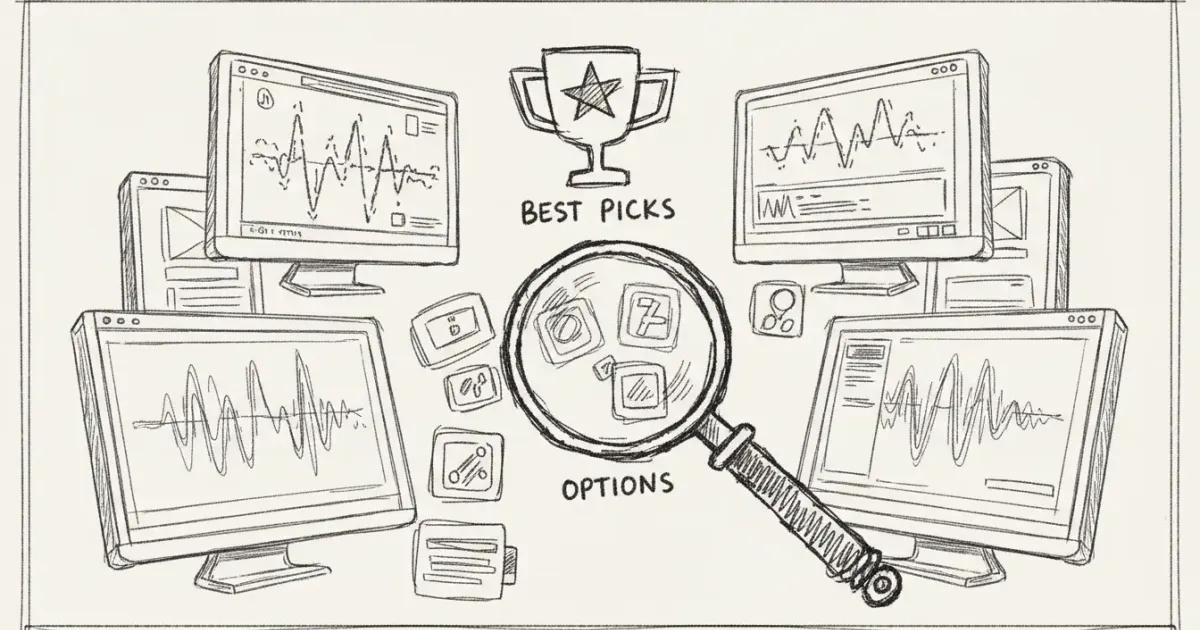
AI Music Generation Platforms 2026: Workflow-Based Comparison
Compare AI music platforms by workflow: songs, background music, editing, covers, stems, licensing, iteration, and where major tools fit.
There are many AI music generation platforms now. The harder question is not "which one exists?" It is "which workflow fits my project?"
This guide compares major AI music platforms by practical creator workflow: first drafts, vocal songs, background music, editing, covers, stems, licensing, and iteration after the first result.
Full disclosure: MusicMake.ai is our product. We still call out where specialist tools may be stronger, because a useful comparison should help you choose the right workflow, not only the tool we build.
Quick Verdict
| Need | Platform Type to Test First | Why |
|---|---|---|
| Fast vocal song ideas | Suno / Udio / MusicMake.ai Generate | Strong first-draft song generation |
| End-to-end music workflow | MusicMake.ai | Music Agent plus Generate, Lyrics, Style, Cover, Extend, Add Tracks, Mashup, Replace Section, and Vocal Remover |
| Background or stream music | Mubert / Soundraw / Beatoven | Useful for mood, duration, and creator background tracks |
| Orchestral or score-like work | AIVA | Stronger composition and MIDI-oriented workflows |
| Developer/API music | Mubert / Stable Audio-style tools | Better fit when programmatic generation matters |
| Fast social experiments | Boomy / Loudly-style tools | Simple entry points and quick iteration |
How to Compare Platforms Without Getting Misled
Old AI music comparison posts often rank tools by fixed prices, exact credit numbers, and broad monetization checkmarks. That creates stale information quickly.
Use this checklist instead:
- Does the platform make a strong first draft?
- Can you revise the result without starting over?
- Does it support lyrics, style tags, covers, extensions, stems, or section replacement?
- Does the plan cover your use case: YouTube, client work, streaming, ads, games, or internal demos?
- Can you keep generation records, receipts, or certificates?
- Does the workflow require source audio, and do you own or license it?
- Are current prices, credits, exports, and rights verified on the official pricing page?
1. Suno: Strong First-Draft Songs
Best for: Fast complete songs, vocals, hooks, and broad prompt-to-song experiments.
Strengths:
- Strong vocal-first generation
- Quick first drafts from simple prompts
- Good benchmark for song ideas and catchy hooks
Limitations:
- Less control over individual sections than a dedicated editing workflow
- Commercial use and retroactive licensing depend on current Suno terms
- Pricing, credits, and export options should be checked on Suno's pricing page
Use Suno when: you want to test whether an idea works as a full song quickly.
2. Udio: Fidelity and Production Experiments
Best for: Higher-fidelity vocal and production tests.
Strengths:
- Often strong for polished-sounding outputs
- Useful for remix and production-oriented exploration
- Good benchmark when audio fidelity is the main question
Limitations:
- Terms, exports, and outside-platform usage can change
- Workflow may be less direct for broad multi-tool editing
Use Udio when: you want to compare production feel and vocal fidelity against other generators.
3. MusicMake.ai: Music Agent Workflow
Best for: Creators who need more than one generation.
MusicMake.ai is not only a prompt-to-song page. It combines direct forms and Music Agent so users can move from a rough idea to multiple versions, edits, source-audio workflows, and follow-up actions.
Core workflow:
- Generate for songs and instrumentals
- AI Lyrics for lyric drafts
- AI Style Generator for prompt and style direction
- Cover for cover-style transformations from source audio you own or can license
- Extend for longer endings and continuations
- Add Tracks for accompaniment or vocals
- Mashup for combining sources
- Replace Section for targeted edits
- Vocal Remover for supported stem workflows
- Music Agent for routing, prompt rewriting, approvals, result supervision, and Smart Next Actions
Strengths:
- Better for iteration after the first draft
- Agent can help users who know the feedback but not the correct prompt rewrite
- Direct tools remain available when the user knows the exact action
- Changelog is public and frequently updated: MusicMake.ai changelog
Limitations:
- Advanced source-audio workflows require source material you own or can license
- Some edit tools may require eligible membership and credits
- It is a web music workflow, not a full DAW
Use MusicMake.ai when: you expect the first draft to need refinement, extension, cover, section replacement, stems, or natural-language guidance.
4. Mubert: Background and Programmatic Music
Best for: Background music, streams, apps, and API-oriented needs.
Strengths:
- Useful for mood and duration-based music
- Often a better fit for app or stream-style background generation
- Developer workflows may be stronger than song-generator platforms
Limitations:
- Less suitable for lyric-led complete songs
- Licensing and API terms should be checked on the current official pages
Use Mubert when: you need background, ambient, or programmatic music more than a complete song.
5. Soundraw: Controlled Background Music
Best for: Video creators who want predictable background music with manual control.
Strengths:
- Good for mood-based and section-based edits
- Useful when you need background tracks rather than vocal songs
- Licensing is central to the product, but still check current terms
Limitations:
- No full vocal-song workflow
- Less surprising than prompt-based generation
Use Soundraw when: you want reliable background music with controlled customization.
6. AIVA: Orchestral and Score-Oriented Work
Best for: Cinematic, orchestral, game, and score-like projects.
Strengths:
- Stronger fit for composition and MIDI-oriented workflows
- Useful when notation or arrangement control matters
- Better for instrumental scoring than pop vocals
Limitations:
- Steeper learning curve
- Current rights and export terms must be verified by plan
Use AIVA when: orchestral control and score workflow matter more than vocal generation.
Other Platforms to Test
| Platform Type | Best For | What to Verify |
|---|---|---|
| Stable Audio-style tools | Developers, researchers, transparent generation | Local/API setup, license terms, export quality |
| Beatoven-style tools | Simple video background music | Commercial terms, download limits, mood controls |
| Boomy-style tools | Beginner social experiments | Distribution terms, royalty sharing, quality limits |
| Loudly-style tools | Beats and loops | Licensing, exports, genre fit |
| Enterprise stock-media tools | Corporate video | Subscription terms, brand-safe rights, export limits |
Pricing: Use Official Pages
Do not budget from old blog tables. Use official pricing pages for:
- monthly or annual price
- current credit allotment
- commercial-use terms
- export formats
- queue priority
- add-on credits
- refunds, trials, or student/team discounts
For MusicMake.ai, use the current pricing page. For Suno, use Suno pricing. For other tools, check the provider's official pricing and terms before publishing commercially.
Commercial Use Checklist
Before you publish AI-generated music commercially:
- Confirm the plan covered commercial use at the time of generation.
- Save the generation record, prompt, receipt, and any certificate.
- Avoid artist-name or song-title imitation prompts.
- If you uploaded source audio, confirm you own or license it.
- Check platform rules for YouTube, streaming distribution, client work, ads, and games.
- For high-value releases, get legal review.
Which Platform Should You Choose?
Choose by workflow:
- Fast first draft: Suno, Udio, or MusicMake.ai Generate
- Iterative creator workflow: MusicMake.ai
- Background music: Soundraw, Mubert, Beatoven-style tools
- Orchestral scoring: AIVA
- Developer/API music: Mubert or API-oriented tools
- Simple beginner experiments: Boomy-style tools
If you already know the exact task, a direct form is fastest. If you only know the goal or the problem with the result, Music Agent is the better starting point.
FAQ
Which AI music platform is best overall?
There is no universal winner. Suno is a strong benchmark for quick vocal songs. Udio is useful for fidelity experiments. MusicMake.ai is strongest when you need a workflow that continues after the first draft.
Which platform is best for starter testing?
Free tiers change often and usually limit commercial use. Treat free access as testing capacity, not production capacity.
Can I use AI music commercially?
Often yes, but only when the plan terms, source material, and distribution platform allow the specific use. Save documentation.
Why use Music Agent instead of a normal generator?
Because many users know what is wrong with a result but do not know how to rewrite the prompt or choose the next edit tool. Music Agent helps bridge that gap.
Where can I check MusicMake.ai updates?
Use the MusicMake.ai changelog. It tracks Music Agent, Smart Next Actions, approval cards, result supervision, and other product updates.
Final Recommendation
Start with the workflow, not the price table.
If your goal is one quick vocal draft, test Suno, Udio, and MusicMake.ai Generate side by side. If your goal is to keep shaping a track through lyrics, style, cover, extension, added tracks, mashup, section replacement, stem separation, and prompt rewriting, start with MusicMake.ai Music Agent.
श्रेणियाँ
और पोस्ट
MusicMake.ai Mobile Update: Create Music From Your Phone Like an App
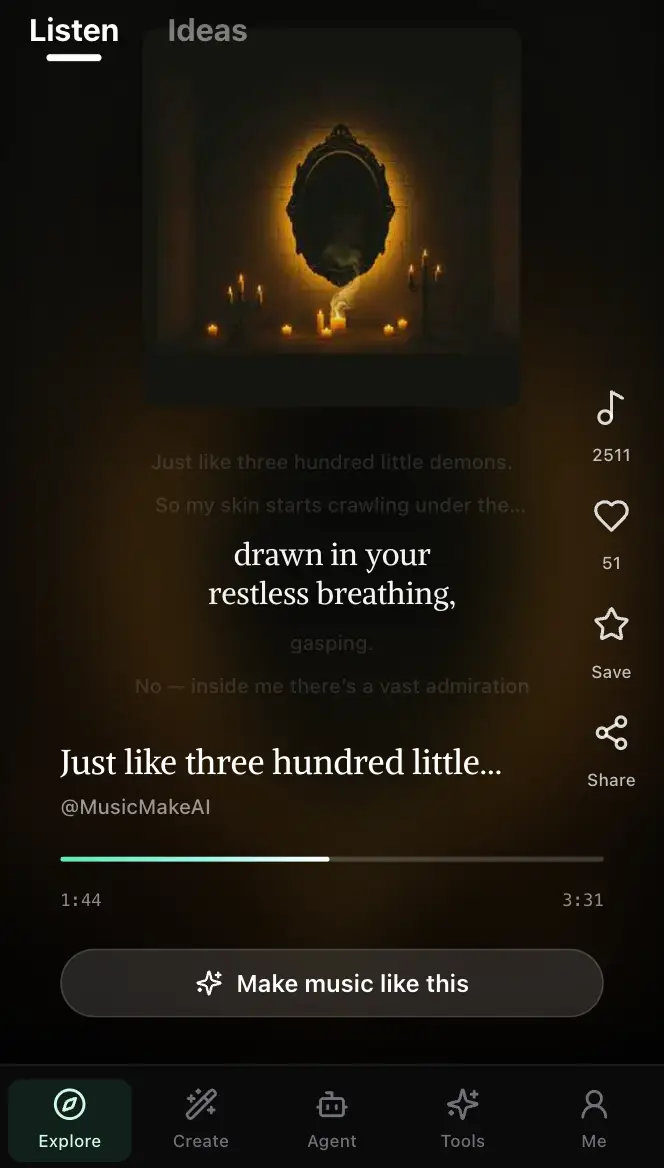
MusicMake.ai now gives creators a complete mobile flow for listening, generating, refining with Music Agent, opening tools, and managing songs from a phone.

AI Songwriting Guide: How to Write Songs with AI in 2026
Learn how to use AI songwriting tools to write better songs faster. Step-by-step guide covering lyrics, melody, arrangement, and production with AI assistance.
how to become a music producer with ai tools - MusicMake.ai Guide
Learn about how to become a music producer with ai tools with this comprehensive guide from MusicMake.ai.