• Logo
    Music Make AI
  • Inicio
Herramientas
  • Generar
  • Extender
  • Portada
  • Agregar pista
  • Eliminador de voz
  • Convertidor de audio
  • Qwen3 TTS
EmailDiscord
  • Generador de letras AI
  • Generador de estilos AI
  • Precios
AI Music Generation Trends 2026: Technology Advances & Future Directions
2026/01/15

AI Music Generation Trends 2026: Technology Advances & Future Directions

In-depth analysis of AI music generation technology trends in 2026. Explore neural architecture advances, new features, quality improvements, and the future of AI music generation technology.

Introduction: The Technology Behind AI Music

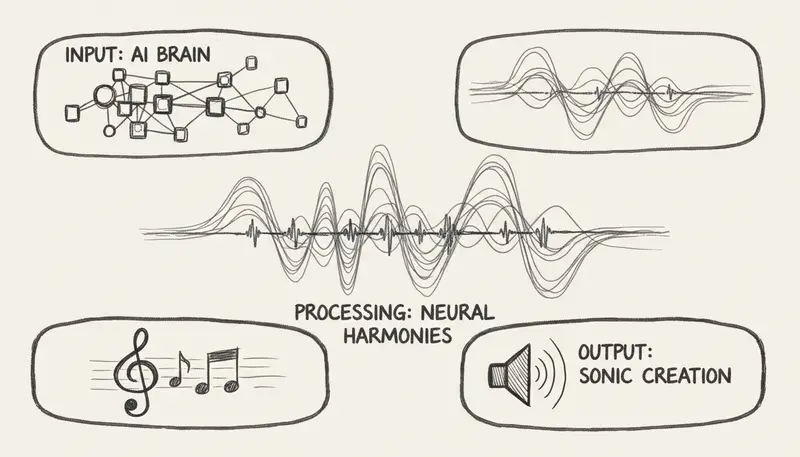
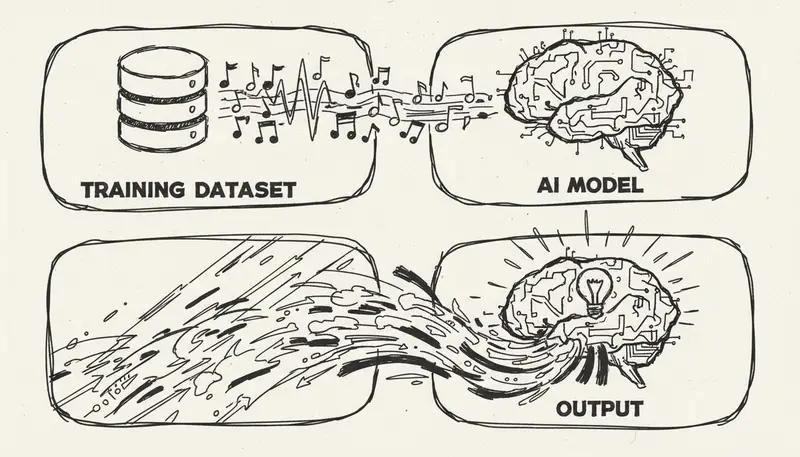
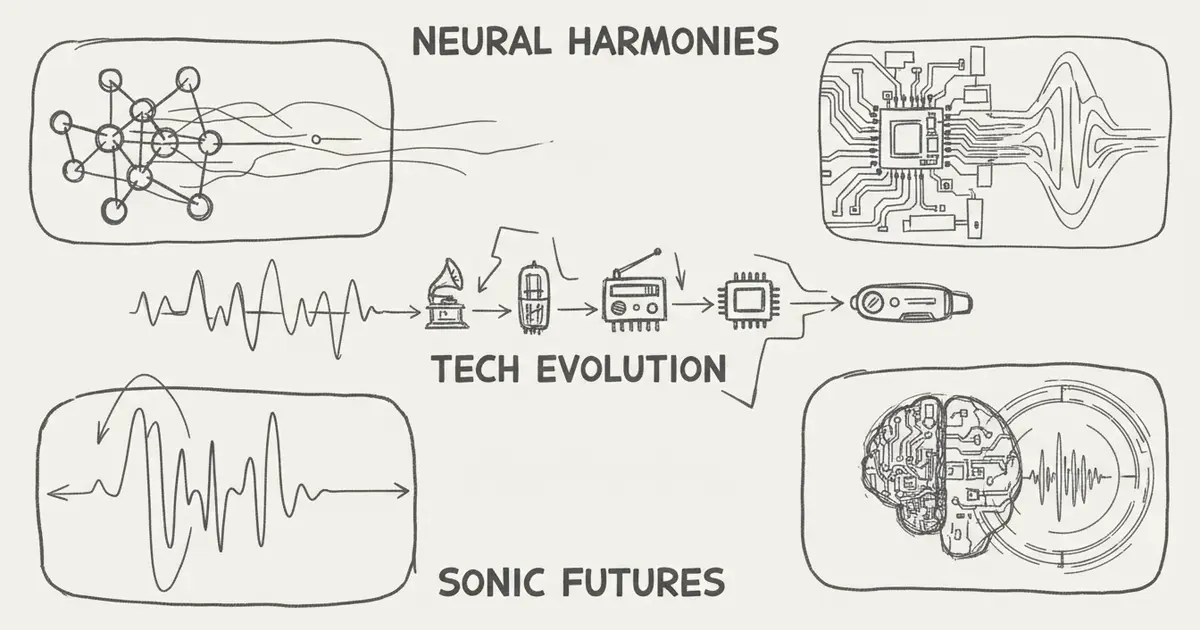
Neural network visualization generating music waveforms

AI music generation has undergone revolutionary technological advances in 2026. From transformer architectures to diffusion models, the underlying technology powering platforms like Suno, Udio, and MusicMake.ai has evolved dramatically, enabling unprecedented quality and capabilities.

This technical deep-dive explores the key technology trends shaping AI music generation in 2026 and where the technology is heading.


Neural Architecture Evolution

From Transformers to Hybrid Models

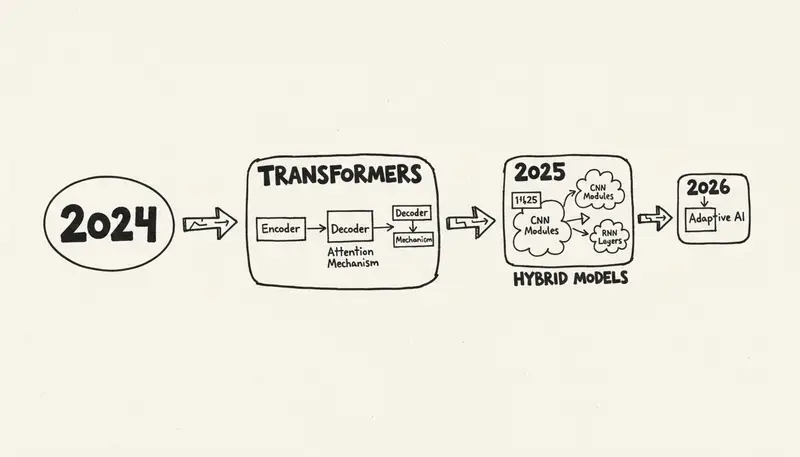
2024-2026 progression:

YearArchitectureKey InnovationQuality Leap
2024Pure TransformersAttention mechanismsBaseline
2025Transformer + DiffusionQuality synthesis2x improvement
2026Hybrid Multi-ModalCross-domain learning3x improvement

Current state-of-the-art:

  • Multi-modal transformers (text, audio, visual)
  • Diffusion-based synthesis
  • GANs for specific instruments
  • Reinforcement learning for structure

Architecture evolution diagram 2024-2026


Model Scale and Efficiency

Parameter growth:

Suno V3 (2024): ~1B parameters
Suno V4 (2025): ~5B parameters
Suno V5 (2026): ~12B parameters
Udio (2026): ~15B parameters

Efficiency improvements:

  • 50% faster inference despite larger models
  • Better hardware utilization
  • Optimized attention mechanisms
  • Quantization without quality loss

Training scale:

  • Dataset size: 100M+ songs
  • Training time: Months on TPU/GPU clusters
  • Cost: $5-20M per major model
  • Update frequency: Quarterly releases

Audio Quality Advances

Sample Rate and Bit Depth

Technical specifications (2026):

PlatformSample RateBit DepthFormatQuality Level
Udio48kHz24-bitWAVStudio
Suno V548kHz24-bitWAV/MP3Professional
MusicMake.ai44.1kHz16-bitMP3High
AIVA48kHz24-bitWAV/MIDIStudio

Quality metrics:

  • Signal-to-noise ratio: 90-100 dB
  • Dynamic range: 80-96 dB
  • Frequency response: 20Hz-20kHz (flat)
  • THD: less than 0.001%

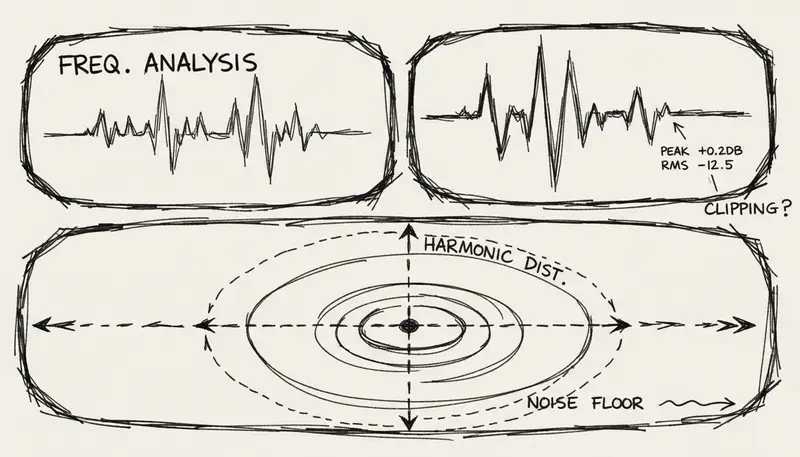
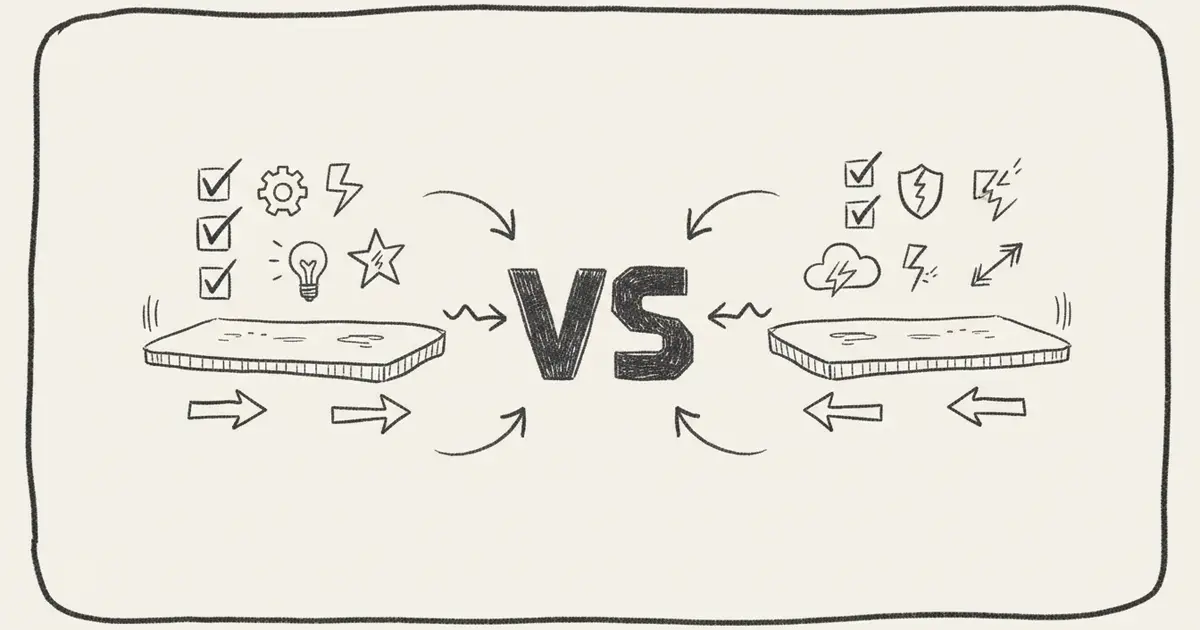
Audio quality comparison spectrum analysis


Artifact Reduction

Common artifacts eliminated:

  1. Metallic/robotic sound (95% reduced)

    • Better vocal modeling
    • Natural timbre synthesis
    • Breath and micro-expression
  2. Repetitive patterns (80% reduced)

    • Improved long-range attention
    • Structure awareness
    • Variation injection
  3. Clipping and distortion (99% eliminated)

    • Better dynamic range control
    • Intelligent limiting
    • Mastering AI
  4. Phase issues (98% eliminated)

    • Stereo field optimization
    • Phase coherence
    • Spatial accuracy

Vocal Synthesis Breakthroughs

Natural Voice Generation

2026 capabilities:

Emotional expression:

  • Joy, sadness, anger, passion
  • Subtle emotional transitions
  • Context-aware delivery
  • Performance nuances

Technical features:

  • Vibrato control
  • Breath simulation
  • Vocal fry and breaks
  • Pitch modulation
  • Tone variation

Multi-lingual support:

  • 50+ languages
  • Native pronunciation
  • Cultural singing styles
  • Accent accuracy

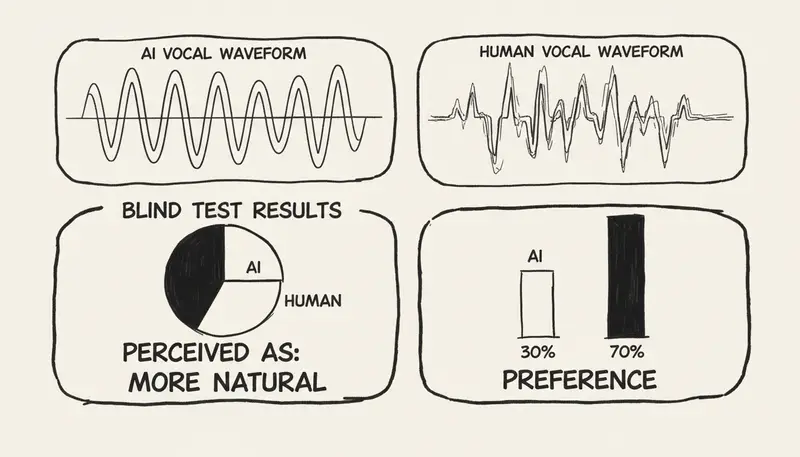
Vocal quality comparison: AI vs Human (blind test results)


Voice Cloning and Synthesis

Ethical voice cloning (with consent):

Requirements:

  • 5-10 minutes of voice samples
  • Consent verification
  • Usage restrictions
  • Attribution requirements

Quality:

  • 95% similarity to original
  • Emotional range preserved
  • Singing style captured
  • Unique characteristics maintained

Platforms offering:

  • Synthesizer V (with consent)
  • Some DAW plugins
  • Professional studios

Regulations:

  • Consent mandatory
  • Usage tracking
  • Deepfake prevention
  • Legal frameworks

Instrument Modeling

Physical Instrument Simulation

Instruments mastered:

Strings:

  • Guitar (acoustic, electric)
  • Bass (all types)
  • Violin, cello, double bass
  • Ukulele, mandolin

Keys:

  • Piano (grand, upright)
  • Electric piano (Rhodes, Wurlitzer)
  • Organ (Hammond, pipe)
  • Synthesizers (analog, digital)

Drums/Percussion:

  • Acoustic drum kits
  • Electronic drums
  • Percussion instruments
  • Programmed beats

Winds:

  • Saxophone, trumpet, flute
  • Clarinet, oboe
  • Brass section
  • Woodwinds

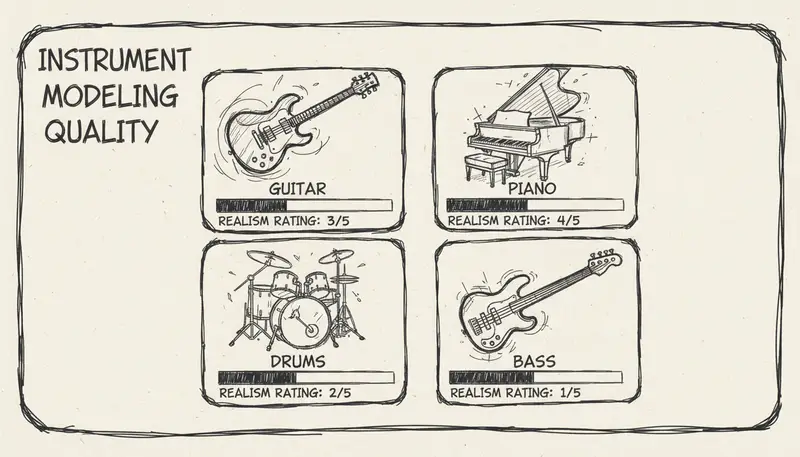
Instrument realism comparison chart


Synthesis Techniques

Methods used:

  1. Sample-based synthesis

    • High-quality instrument samples
    • Articulation modeling
    • Performance techniques
  2. Physical modeling

    • String vibration simulation
    • Acoustic resonance
    • Real-world physics
  3. Neural synthesis

    • Learned representations
    • Timbre generation
    • Novel sounds
  4. Hybrid approaches

    • Combining multiple techniques
    • Best-of-breed quality
    • Flexibility and control

Structural Understanding

Music Theory Integration

AI now understands:

Harmony:

  • Chord progressions
  • Voice leading
  • Harmonic rhythm
  • Modulation

Melody:

  • Melodic contour
  • Motif development
  • Call and response
  • Phrasing

Rhythm:

  • Time signatures
  • Syncopation
  • Polyrhythms
  • Groove

Form:

  • Verse-chorus structure
  • Bridge placement
  • Intro/outro design
  • Transitions

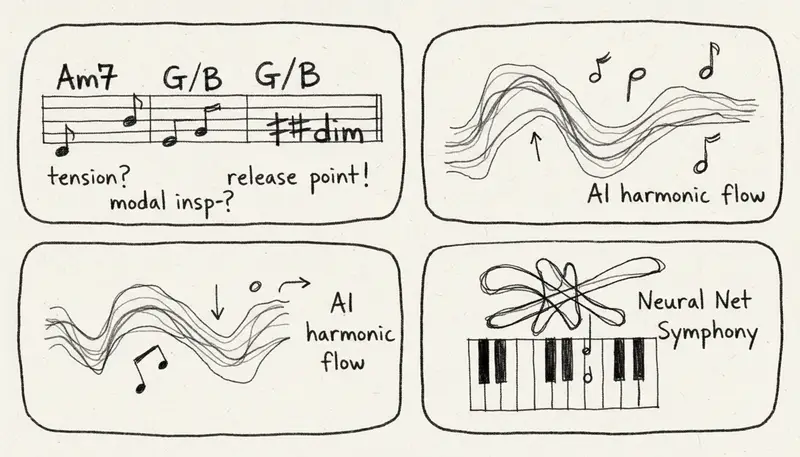
Music theory application in AI generation


Genre-Specific Knowledge

Deep genre understanding:

Pop:

  • Hook writing
  • Radio-friendly structure
  • Production trends
  • Vocal arrangement

Rock:

  • Guitar riffs
  • Power chords
  • Energy dynamics
  • Drum patterns

Electronic:

  • Synthesis techniques
  • Build-ups and drops
  • Sound design
  • Mix techniques

Classical:

  • Orchestration
  • Counterpoint
  • Form traditions
  • Period styles

Hip-Hop:

  • Beat structure
  • Flow patterns
  • Sample integration
  • Sub-genres

Control and Customization

Prompt Engineering Evolution

2024 prompts:

"Happy pop song"

2026 prompts:

"Upbeat indie pop with acoustic guitar and light synths,
summer road trip vibe, female vocals with slight rasp,
120 BPM, verse-chorus-bridge structure, modern production,
influenced by 2020s indie radio, build to anthemic chorus"

New control dimensions:

  • BPM specification
  • Key/scale selection
  • Structure definition
  • Instrument choices
  • Vocal characteristics
  • Production style
  • Era/period influence
  • Energy curves

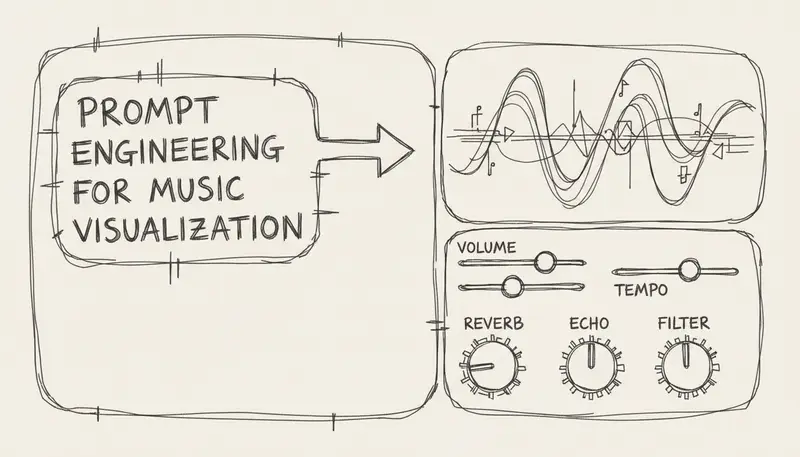
Prompt complexity vs output control visualization


Fine-Tuning Capabilities

Post-generation editing:

What you can adjust:

  • Volume levels (stems)
  • EQ per instrument
  • Reverb and effects
  • Tempo changes
  • Key transposition
  • Arrangement modifications

Platform capabilities:

PlatformStem SeparationEQ ControlEffect Control
Udio✅ Full✅ Yes✅ Advanced
Suno✅ Paid tier⚠️ Limited⚠️ Basic
MusicMake.ai✅ Paid tier⚠️ Limited⚠️ Basic
Splash Pro✅ Full✅ Advanced✅ Professional

Training Data Trends

Dataset Evolution

Dataset composition (2026):

Total size: 100-500 million songs
Genres: 1,000+ categories
Languages: 100+ languages
Eras: 1900s to present
Quality: CD quality minimum

Data sources:

  • Licensed music libraries
  • Public domain works
  • User-contributed content
  • Synthetic training data

Ethical considerations:

  • Artist consent programs
  • Opt-out mechanisms
  • Compensation models
  • Attribution systems

Training data diversity breakdown


Synthetic Data Generation

Self-improvement loop:

1. Generate music with current model
2. Human quality evaluation
3. High-quality outputs added to dataset
4. Retrain model with augmented data
5. Improved model generates better music
6. Repeat cycle

Benefits:

  • Reduced licensing costs
  • Controlled data quality
  • Bias mitigation
  • Novel styles exploration

Challenges:

  • Quality drift risks
  • Homogenization concerns
  • Validation requirements

Real-Time Generation

Latency Improvements

Generation speed evolution:

YearAverage TimeQualityHardware
20242-3 minutesMediumGPU
202560-90 secondsHighGPU/TPU
202620-45 secondsVery HighOptimized

Real-time applications:

  • Live streaming (Mubert)
  • Gaming soundtracks
  • Interactive installations
  • Performance augmentation

Infrastructure:

  • Edge computing deployment
  • Cloud-based generation
  • Hybrid approaches
  • Dedicated hardware

Streaming Generation

Progressive output:

How it works:

  1. Generate first 10 seconds
  2. Stream to user while generating next section
  3. Continuous generation and playback
  4. Infinite duration capability

Platforms:

  • Mubert (pioneer)
  • Soundraw (experimental)
  • Custom solutions

Use cases:

  • Focus music
  • Meditation
  • Store ambiance
  • Background loops

Multi-Modal Integration

Text-to-Music

Natural language understanding:

What AI understands:

  • Genre descriptions
  • Mood descriptors
  • Instrument specifications
  • Structure requests
  • Style references
  • Tempo indicators
  • Energy levels

Example:

User: "Create a chill lofi beat for studying"
AI understands:
- Genre: Lofi hip-hop
- Mood: Calm, relaxed
- Use case: Background/studying
- Elements: Jazz chords, vinyl crackle, soft drums
- BPM: 70-90

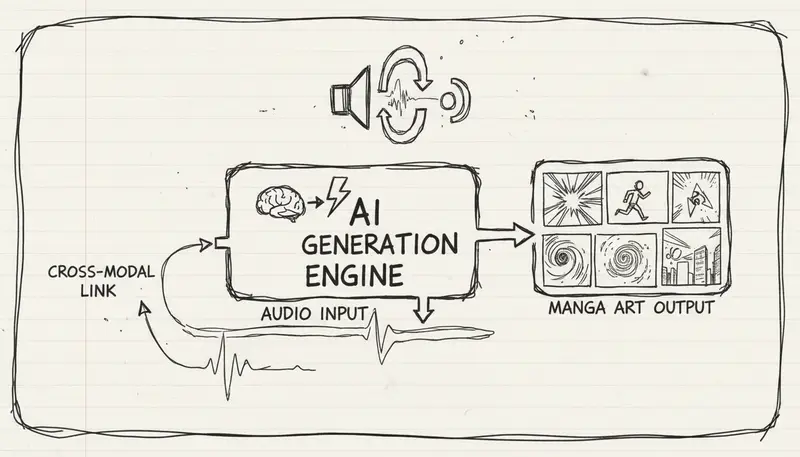
Image/Video-to-Music

Visual analysis capabilities:

What AI extracts:

  • Scene type (nature, urban, action)
  • Color palette → mood mapping
  • Movement speed → tempo
  • Content type → genre suggestion
  • Emotional tone

Applications:

  • YouTube video soundtracks
  • Film scoring assistance
  • Photo slideshow music
  • Game level themes

Visual-to-music mapping examples


Audio-to-Music

Input types:

  1. Humming/singing

    • Melody extraction
    • Full arrangement generation
    • Style transfer
  2. Audio samples

    • Sample-based generation
    • Style matching
    • Continuation/variation
  3. Environmental sounds

    • Soundscape integration
    • Ambient music creation
    • Field recording enhancement

Future Technology Directions

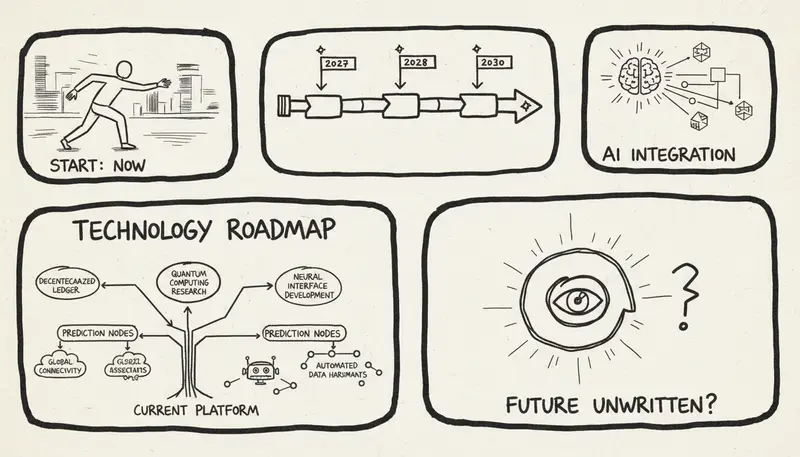
2027-2028 Predictions

Expected advances:

  1. Quantum-assisted generation (experimental)

    • Quantum computing integration
    • Novel composition approaches
    • Exponential complexity handling
  2. Brain-computer interfaces

    • Direct thought-to-music
    • Emotion-responsive generation
    • Subconscious creativity access
  3. Holographic audio

    • 3D spatial audio native generation
    • Immersive soundscapes
    • VR/AR music experiences
  4. Molecular music

    • DNA-based music encoding
    • Biological inspiration
    • Novel sound synthesis

Future technology roadmap timeline


Long-Term Vision (5-10 years)

Transformative possibilities:

Perfect replication:

  • Indistinguishable from human creation
  • All styles mastered completely
  • Zero artifacts or limitations

True creativity:

  • Novel genres invented by AI
  • Unexplored musical territories
  • Beyond human composition

Consciousness simulation:

  • Emotional depth matching humans
  • Intentionality and meaning
  • Artistic statement capability

Universal accessibility:

  • Real-time generation on any device
  • No technical barriers
  • Global democratization

Technical Challenges

Current Limitations

Unsolved problems:

  1. True novelty

    • Limited by training data
    • Pattern-based generation
    • Creativity boundaries
  2. Long-form coherence

    • 10+ minute consistency
    • Album-level cohesion
    • Epic composition structure
  3. Intentionality

    • Lack of "message"
    • No artistic statement
    • Meaning generation
  4. Cultural authenticity

    • Deep cultural understanding
    • Historical context
    • Tradition respect

Research Frontiers

Active research areas:

  1. Explainable AI music

    • Understanding generation decisions
    • Controllable creativity
    • Transparent processes
  2. Few-shot learning

    • Generate in new styles quickly
    • Minimal example requirements
    • Transfer learning
  3. Interactive generation

    • Real-time human-AI collaboration
    • Improvisation systems
    • Adaptive composition
  4. Efficient architectures

    • Smaller models, same quality
    • Edge device deployment
    • Energy efficiency

Conclusion: The Technology Trajectory

AI music generation technology in 2026 has achieved remarkable milestones:

Key achievements:

  • ✅ Studio-quality audio synthesis
  • ✅ Natural vocal generation
  • ✅ Real-time generation capabilities
  • ✅ Multi-modal input support
  • ✅ 48kHz/24-bit output quality
  • ✅ 50+ language support

Remaining challenges:

  • ⚠️ True creative novelty
  • ⚠️ Long-form coherence
  • ⚠️ Cultural authenticity depth
  • ⚠️ Intentional meaning generation

Future outlook: The technology is advancing exponentially. Within 2-3 years, most technical limitations will likely be overcome, leaving primarily philosophical questions about AI creativity and artistry.

For creators, the message is clear: the technology is mature enough for professional use today, and it will only get better.

Experience Latest AI Music Technology →


Last updated: January 15, 2026 | Technical analysis based on platform capabilities and research papers

Todas las publicaciones

Autor

avatar for Experto en Música AI
Experto en Música AI

Categorías

  • Música AI
Introduction: The Technology Behind AI MusicNeural Architecture EvolutionFrom Transformers to Hybrid ModelsModel Scale and EfficiencyAudio Quality AdvancesSample Rate and Bit DepthArtifact ReductionVocal Synthesis BreakthroughsNatural Voice GenerationVoice Cloning and SynthesisInstrument ModelingPhysical Instrument SimulationSynthesis TechniquesStructural UnderstandingMusic Theory IntegrationGenre-Specific KnowledgeControl and CustomizationPrompt Engineering EvolutionFine-Tuning CapabilitiesTraining Data TrendsDataset EvolutionSynthetic Data GenerationReal-Time GenerationLatency ImprovementsStreaming GenerationMulti-Modal IntegrationText-to-MusicImage/Video-to-MusicAudio-to-MusicFuture Technology Directions2027-2028 PredictionsLong-Term Vision (5-10 years)Technical ChallengesCurrent LimitationsResearch FrontiersConclusion: The Technology Trajectory

Más publicaciones

Análisis de Calidad de Música IA 2026: ¿Qué Tan Buena es la Música IA?
Música AI

Análisis de Calidad de Música IA 2026: ¿Qué Tan Buena es la Música IA?

Análisis completo de calidad de música IA en 2026. Compara plataformas, entiende métricas de calidad y aprende a generar música IA de nivel estudio.

avatar for Experto en Música AI
Experto en Música AI
2026/01/03
Suno AI Maximum Song Length 2026: Complete Guide to Duration Limits
Música AITutoriales

Suno AI Maximum Song Length 2026: Complete Guide to Duration Limits

Discover Suno AI's maximum song length in 2026. Compare duration limits across Free, Pro, and Premier plans. Learn techniques to create longer songs and maximize your creative potential.

avatar for Experto en Música AI
Experto en Música AI
2026/01/15
Suno AI Free Tier Limits 2026: Complete Restrictions & Workarounds Guide
Música AI

Suno AI Free Tier Limits 2026: Complete Restrictions & Workarounds Guide

Full breakdown of Suno AI free tier limits in 2026. Understand all restrictions on song length, credits, downloads, and commercial use. Plus smart workarounds to maximize your free account.

avatar for Experto en Música AI
Experto en Música AI
2026/01/15
Logo
Music Make AI

Generador de música con IA · Libre de regalías · Licencia comercial disponible

TwitterX (Twitter)DiscordEmail
Producto
  • Generador de música con IA
  • Precios
  • Preguntas frecuentes
  • Licencia comercial
Herramientas IA
  • Generador de música IA
  • Generador de canciones IA
  • Creador de música IA
  • Creador de canciones IA
  • Texto a canción
  • Letras a canción
  • Generador de covers con IA
  • Extender canción
  • IA remover voces
  • Clonación de voz
  • Qwen3 TTS
Más Herramientas
  • Generador de Tonos IA
  • Generador de Música Relajante para Aulas
  • Generador de Canciones de Ansiedad
  • Generador de Música para Vlog
  • Generador de Música para Dormir
  • Generador de Poemas a Música
  • Generador de Clima a Música
  • Generador de Música Navideña Brainrot
  • Generador de Movimiento a Música
  • Generador de Música Relajante
  • Generador de Caja a Música
  • Generador de Canciones Abracadabra
  • Generador de Música Trot
  • Generador de Citas a Música
Recursos
  • Blog
  • Comentarios
  • Registro de cambios
Empresa
  • Acerca de
  • Contacto
Legal
  • Política de privacidad
  • Términos del servicio
  • Política de reembolso
Friends
  • Seedance AI
  • Seedream AI
  • Kling AI
  • Song Unique
© 2026 Music Make AI All Rights Reserved. DREAMEGA INFORMATION TECHNOLOGY LLC
[email protected]
Music Make - Create Electronic Beats with Music Make AI | Product Hunt