AI Music Copyright Protection 2026: Services, Proof, and Safe Release Steps
Compare AI music copyright protection options, from registration and records to fingerprinting, monitoring, platform terms, and safer release workflows.
Introduction: Protecting Your AI Music Creations in 2026
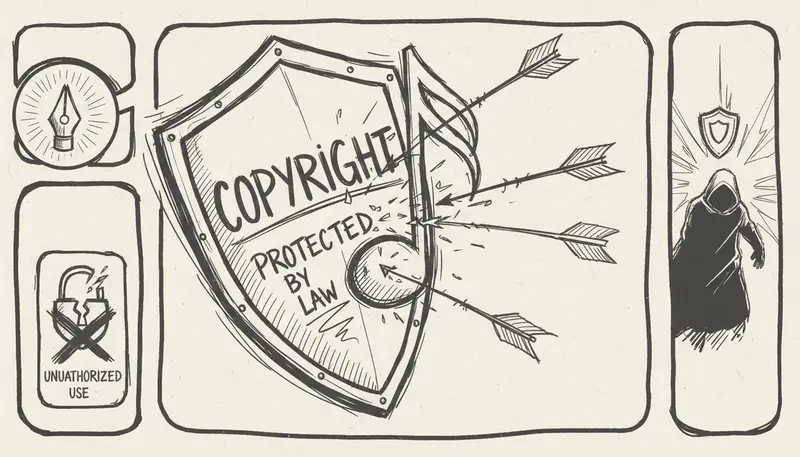
As AI-generated music becomes more common, protecting your creative work means more than buying a monitoring tool. You need generation records, source-material rights, human creative documentation, platform licenses, and a response process for claims. This guide explains the service categories and workflow that matter for AI music creators.
Why AI Music Copyright Protection Matters
The Growing Risk Around AI Music
AI music can be copied, re-uploaded, flagged by matching systems, or challenged if the creator cannot prove how it was made. The practical risk is not only "who owns the copyright"; it is whether you can show:
- Which platform and plan created the track
- What prompts, lyrics, source audio, stems, or edits were used
- Whether your plan allowed the release or client use
- What human creative choices you added
- Where the final version was published
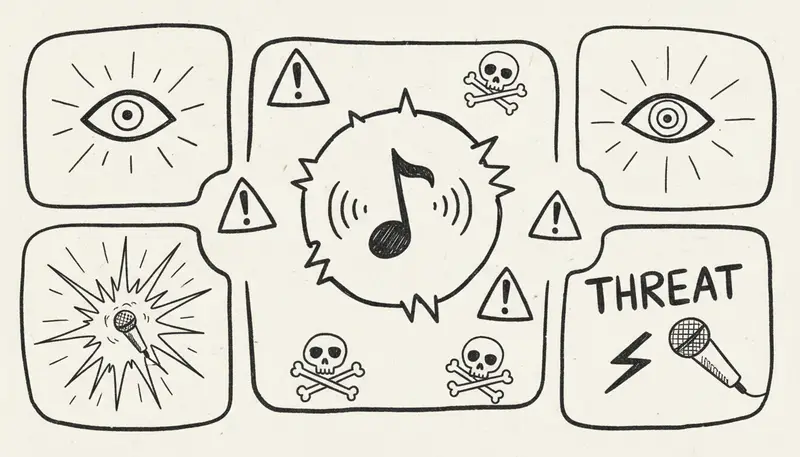
Common Threats to AI Music Creators
Without protection, you risk:
- Unauthorized use on streaming platforms
- Content theft by other creators
- Loss of monetization rights
- Legal disputes without proof of ownership
- Platform claims against your original content
AI Music Protection Service Categories
1. Official Copyright Registration
Best for: Released works where you can identify meaningful human authorship.
The U.S. Copyright Office has said that works containing AI-generated material must disclose that material and identify the human-authored parts. Pure machine output may not be registrable, while human selection, arrangement, lyrics, editing, or other creative contribution can matter.
What to verify:
- Which parts are human-authored
- Which parts are AI-generated
- Whether the registration form requires AI disclosure
- Whether your platform terms allow the release
2. Distribution and Platform Records
Best for: Streaming releases, YouTube uploads, client projects, and monetized content.
Your distributor, YouTube Studio records, MusicMake.ai generation history, plan receipt, and any available certificate can help prove that your use was authorized under the relevant plan at the time.
3. Audio Fingerprinting and Monitoring
Best for: Tracks that are already public and worth monitoring.
Fingerprinting services, distributors, and platform tools may help find re-uploads or claims. They do not create copyright by themselves; they help detect matches and organize evidence.
4. Legal Review and Contract Support
Best for: Sync licensing, advertising, client deliverables, and high-value releases.
For serious commercial use, have a lawyer review plan terms, source-material rights, indemnity language, and disclosure obligations.
Comparison Table: Protection Options
| Option | Best For | What It Proves | What It Does Not Prove |
|---|---|---|---|
| Copyright registration | Human-authored or AI-assisted works with meaningful human contribution | A formal claim over eligible human-authored elements | That every AI-generated element is copyrightable |
| Generation records | AI platform outputs and workflow history | When and how a track was generated | Exclusive ownership against similar outputs |
| Plan receipts / certificates | Commercial-use documentation | Which plan terms applied at a point in time | That source audio was cleared |
| Fingerprinting / monitoring | Detecting re-uploads and matches | That audio resembles your reference file | Legal ownership by itself |
| Legal contracts | Client work and licensing deals | Rights, obligations, and risk allocation | That platform terms are valid for every use |
How to Protect Your AI Music: Step-by-Step Guide
Step 1: Document Your Creation Process
Essential documentation:
- Save original prompts used
- Screenshot generation parameters
- Record edit history
- Store all versions/iterations
- Note creative decisions made
Why this matters: Helps show the human creative input that may matter for copyright analysis.
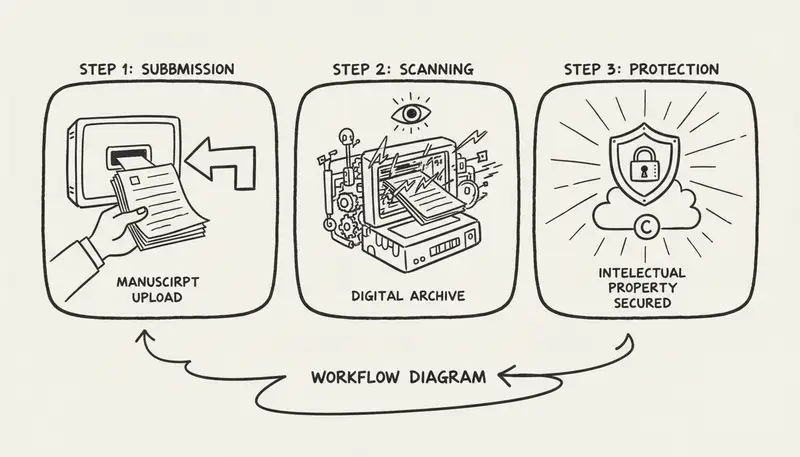
Step 2: Create Audio Fingerprints
How fingerprinting works:
- Upload your track to a distributor, monitoring provider, or platform tool
- The service creates an acoustic reference
- The reference is compared against supported platforms
- Matches may trigger alerts, claims, or manual review
Where this may happen:
- Distributor or aggregator services
- YouTube rights-management workflows
- Platform-side music libraries
- Dedicated audio-monitoring providers
Step 3: Register Official Copyright
US Copyright Office process to verify:
- Visit copyright.gov
- Select "Register a Work"
- Choose Form PA (Performing Arts)
- Upload audio file
- Review current fees and AI disclosure requirements
- Submit and track the application
Benefits of official registration:
- Can strengthen enforcement options for eligible human-authored elements
- Creates a formal public record
- May be required before certain infringement claims in the U.S.
- Does not automatically make purely AI-generated material copyrightable
Step 4: Set Up Monitoring
Continuous protection:
- Enable 24/7 platform scanning
- Configure alert thresholds
- Set up automated responses
- Review weekly reports
Step 5: Prepare Response Templates
Have ready:
- DMCA takedown letters
- Cease and desist templates
- License agreement forms
- Revenue claim documents
Platform-Specific Protection Strategies
YouTube Protection
Rights-management setup:
- Confirm you control the necessary rights
- Work through an eligible distributor, aggregator, or YouTube rights-management process
- Upload reference files only when you have sufficient rights
- Monitor claims and disputes
Common distribution paths:
- DistroKid
- TuneCore
- CD Baby
- Other eligible distributors or rights-management partners
Spotify/Apple Music Protection
Anti-fraud measures:
- Register through official distributor
- Enable Spotify's anti-fraud
- Monitor streaming analytics
- Report suspicious activity
TikTok/Instagram Protection
Best practices:
- Use original audio markers
- Register with platform's music library
- Claim unlicensed uses
- Build verified creator profile
Legal Framework to Monitor
Copyright Registration Guidance
For U.S. registrations, review the U.S. Copyright Office guidance on works containing AI-generated material. The important point for creators is disclosure and human authorship: document what you wrote, selected, arranged, edited, performed, or otherwise contributed.
YouTube and Platform Disclosure
YouTube requires disclosure for meaningfully altered or synthetically generated realistic content, and its examples include synthetically generated music. If YouTube is your distribution channel, use the upload disclosure settings when applicable and keep documentation.
Official Resources
- U.S. Copyright Office guidance on works containing AI-generated material
- YouTube Help: disclosing altered or synthetic content
International Differences
Copyright treatment differs by jurisdiction. Do not assume that a plan license, a generation certificate, or a blockchain timestamp has the same legal effect in every country.
Cost-Benefit Analysis
DIY Protection
Costs:
- Copyright registration: check current government filing fees
- Time investment: 2-5 hours/month
- Monitoring: Manual effort
Suitable for: Hobby creators, low volume
Professional Services
Costs:
- Monthly subscription: varies by provider and monitoring scope
- Automated monitoring: Included
- Legal support: Often included
ROI check:
- How much revenue or client value is the track expected to create?
- How likely is re-upload or dispute risk?
- Does the service include useful evidence, or only alerts?
- Would legal review cost less than a recurring monitoring subscription?
Suitable for: Professional creators, high volume
Common Mistakes to Avoid
Mistake 1: Waiting Too Long
- Register within 3 months of creation
- Earlier registration = stronger claims
Mistake 2: Incomplete Documentation
- Save ALL creation materials
- Include prompts, edits, versions
Mistake 3: Single Platform Focus
- Monitor ALL platforms, not just primary
- Infringement often happens on secondary sites
Mistake 4: Ignoring Small Infringements
- Small uses can become large problems
- Establish enforcement precedent early
Mistake 5: No Legal Backup
- Have attorney contact ready
- Use service with legal support
FAQ: AI Music Copyright Protection
Q: Can I copyright music made with free AI tools?
A: Maybe, if the work includes enough human authorship and the platform terms allow the use. Starter or free access often has commercial restrictions, so check the current terms and disclose AI-generated material when registration requires it.
Q: How long does copyright protection last?
A: Duration depends on jurisdiction and authorship category. For AI-assisted works, focus first on whether the human-authored elements are protectable and properly documented.
Q: What if someone copies my AI music prompt?
A: Similar prompts can produce different music. Your protection covers the specific output you created, not the prompt itself.
Q: Do I need protection for every track?
A: Recommended for commercially released music. For unreleased demos, basic documentation may suffice.
Q: Can I protect AI music internationally?
A: Sometimes. International protection depends on the country, the eligible human-authored elements, and the registration or enforcement path you use.
Future of AI Music Protection
Emerging Technologies
Likely areas to watch:
- AI-to-AI infringement detection
- Real-time watermarking
- Better provenance metadata
- Better platform-side disclosure tools
Industry Predictions
Expect more disclosure, provenance, licensing, and monitoring tools. Treat any promise of automatic global protection as a claim to verify, not a guarantee.
Conclusion: Protect Your AI Music Today
In 2026, AI music protection is a workflow, not a single service. The safest creators keep records, use the right plan, document human contribution, and get legal review for valuable releases.
Action Steps:
- ✅ Choose a protection service from this guide
- ✅ Document your creation process immediately
- ✅ Register your most valuable works officially
- ✅ Set up continuous monitoring
- ✅ Prepare response templates
Protect your AI music creations today. Start creating with MusicMake.ai →
Autor

Categorías
Más publicaciones
MusicMake.ai Mobile Update: Create Music From Your Phone Like an App
MusicMake.ai now gives creators a complete mobile flow for listening, generating, refining with Music Agent, opening tools, and managing songs from a phone.
AI Songwriting Guide: How to Write Songs with AI in 2026
Learn how to use AI songwriting tools to write better songs faster. Step-by-step guide covering lyrics, melody, arrangement, and production with AI assistance.
how to become a music producer with ai tools - MusicMake.ai Guide
Learn about how to become a music producer with ai tools with this comprehensive guide from MusicMake.ai.