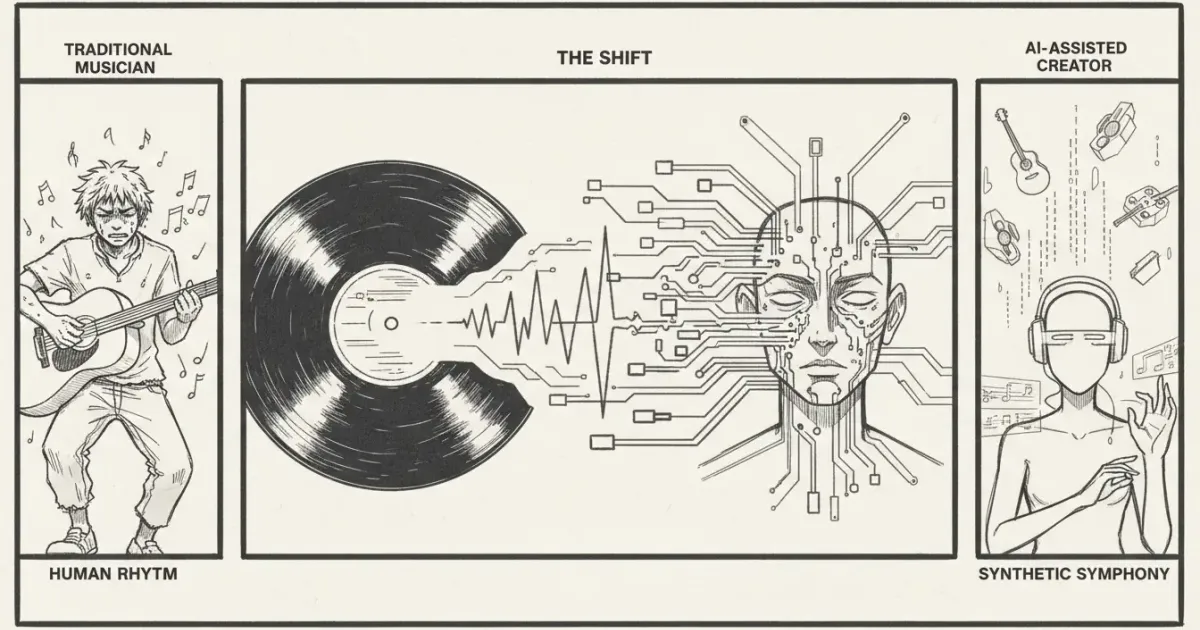
AI Music Industry Impact 2026: What Is Changing and What Still Matters
A grounded 2026 analysis of AI's impact on the music industry: creation workflows, editing, licensing pressure, creator economics, and why Music Agents matter.
AI Is Changing Music, but Not in Just One Way
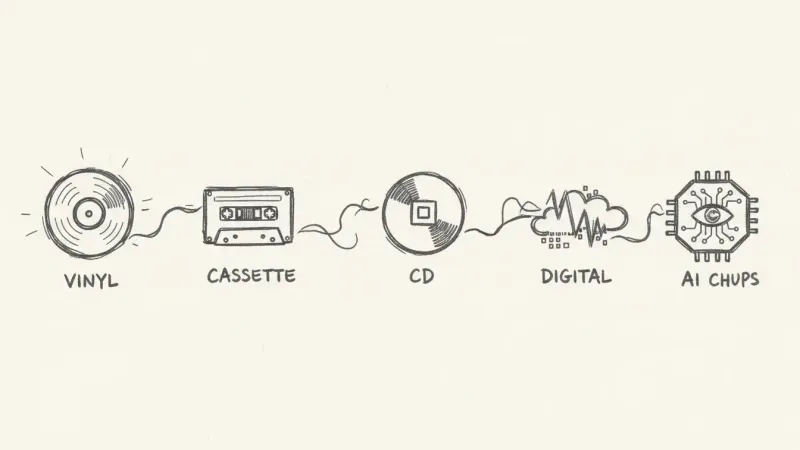
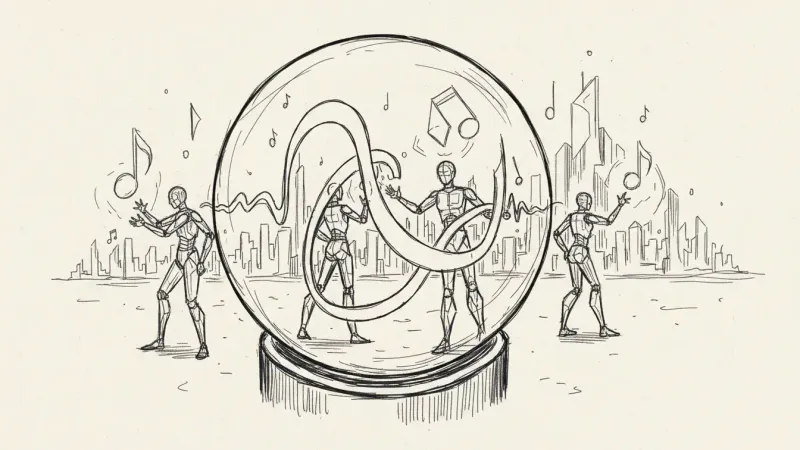
AI is affecting the music industry across creation, editing, rights management, content production, and audience expectations. But the strongest analysis is not "AI replaces music" or "AI changes nothing." The reality is more specific:
- More people can create music.
- More teams can produce music faster.
- More creators can iterate without formal production training.
- More rights, disclosure, and source-material questions now sit inside the workflow.
- Human taste, selection, storytelling, performance, and brand still matter.
The main shift in 2026 is that music creation is becoming easier to start, but harder to manage well without a clear workflow.
1. The Barrier to Entry Has Dropped
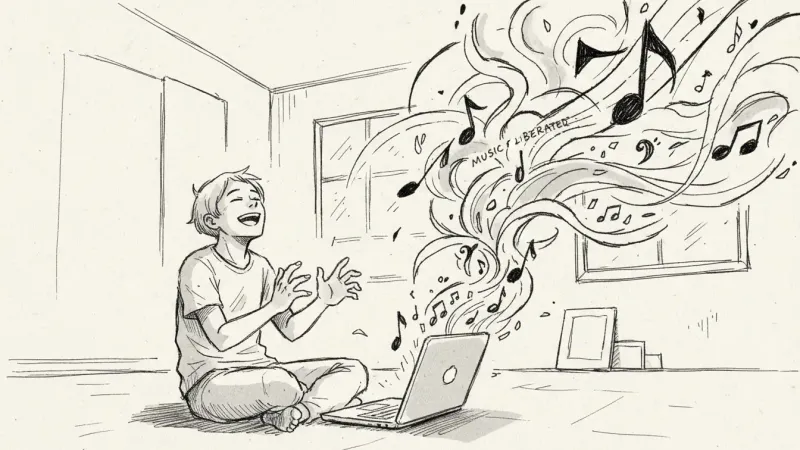
Before modern AI music tools, making a polished track usually required some combination of:
- musical training
- recording gear
- a DAW workflow
- arrangement knowledge
- mixing and mastering skill
AI has lowered that barrier. A creator can now start with:
- a prompt
- lyric ideas
- a style reference
- spoken feedback
- a rough source track
This changes who participates in music creation:
- Content creators who need fast custom audio
- Indie artists testing song ideas
- Marketers and brands creating campaign variations
- Hobbyists who can hear music ideas but cannot traditionally produce them
What has not changed is that better outcomes still depend on taste, direction, and revision.
2. Creation Is Moving From Prompting to Iteration
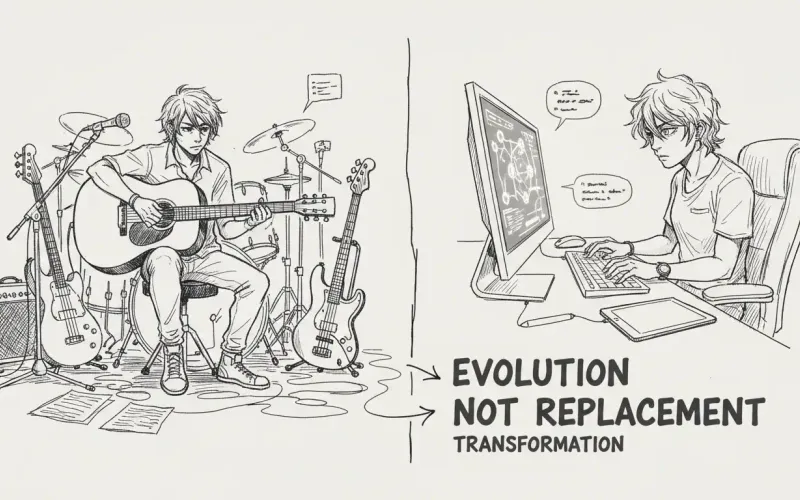
The biggest industry-level product lesson is that raw generation is not enough. Users often know what is wrong with a result but do not know how to describe the fix in a strong prompt.
That is why the market is moving toward Music Agent-style workflows.
Instead of typing one prompt and retrying forever, creators want to say:
- "It still has too much percussion."
- "Only keep the guitar."
- "Make the chorus catchier."
- "The vocal should feel more intimate."
- "Replace the bridge."
This is where MusicMake.ai's Music Agent matters. It works like a Music Chat, Song Agent, and Music GPT-style assistant that helps users translate feedback into better prompts and tool choices.
This changes creator economics in a simple way: fewer wasted generations, better revisions, and a shorter path from rough intent to usable output.
3. Editing Tools Matter More Than Pure Generation
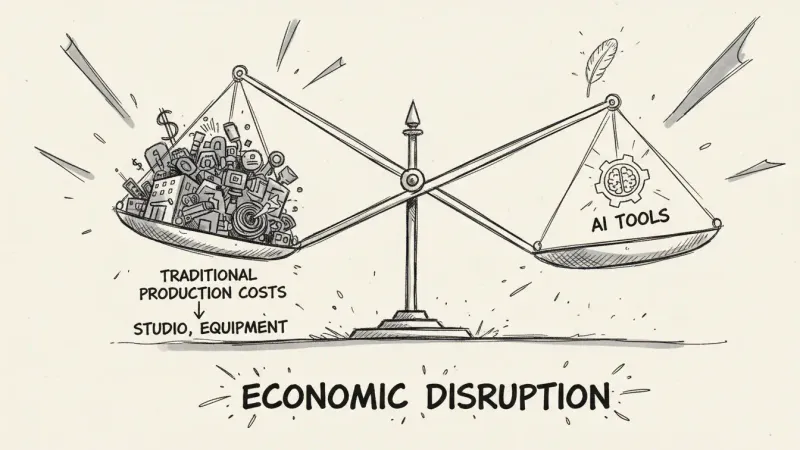
As AI music generation becomes more common, industry differentiation increasingly shifts to editing and recovery tools.
The important questions are:
- Can a user extend a track without ruining the original feel?
- Can they replace only one weak section?
- Can they remove vocals for practice or production use?
- Can they combine ideas from multiple drafts?
- Can they move between lyric, style, cover, and track-edit workflows without starting over?
This is why MusicMake.ai's broader tool surface matters:
- Generate
- AI Lyrics Generator
- AI Music Style Generator
- Cover
- Extend
- Add Tracks
- Mashup
- Replace Section
- Vocal Remover
From an industry perspective, the winning products are turning into music workflow platforms, not single-shot generators.
4. Creator Economics Are Shifting
AI changes the economics of music work in at least four ways:
Faster Drafting
Creators can test more ideas in less time. That increases experimentation and lowers the cost of a false start.
Lower Entry Cost
Teams that previously licensed generic music or hired for simple drafts may now prototype internally before paying for final production.
More Output, More Competition
When more music can be produced quickly, the supply of passable tracks rises. This makes differentiation harder. Taste, story, audience fit, and brand identity become more valuable.
New Value in Revision and Curation
When anyone can generate something, the new advantage is choosing what to keep, what to fix, and how to shape a final release.
This is why "more songs exist" is not the same as "more good songs exist."
5. Rights and Release Workflows Are Now Product Concerns
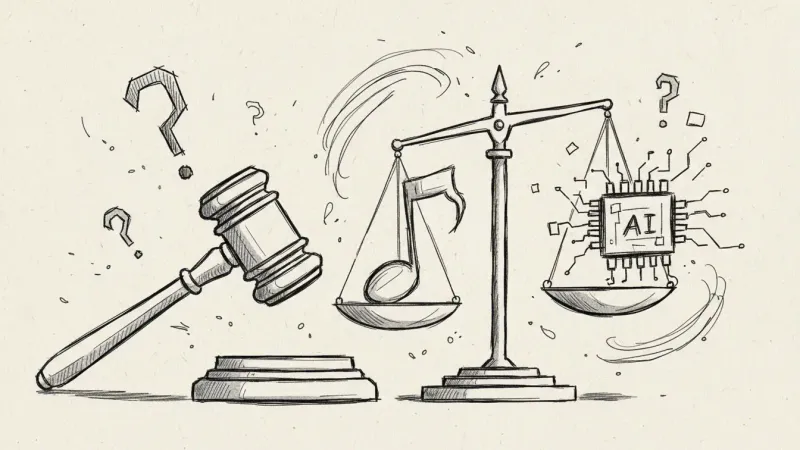
AI has also pulled rights issues closer to the creator workflow.
Teams now need to think about:
- commercial-use terms
- source-audio permissions
- cover and transformation rights
- voice and likeness concerns
- platform disclosure rules
- documentation for clients or distributors
This does not mean every music tool must become a legal product. It means mature products should help creators avoid obvious confusion.
For MusicMake.ai users, that means:
- checking pricing and current plan terms
- following product updates in the changelog
- using source files only when they are owned or licensed
- keeping prompt, edit, and export records
6. The Listener Side Is Changing Too
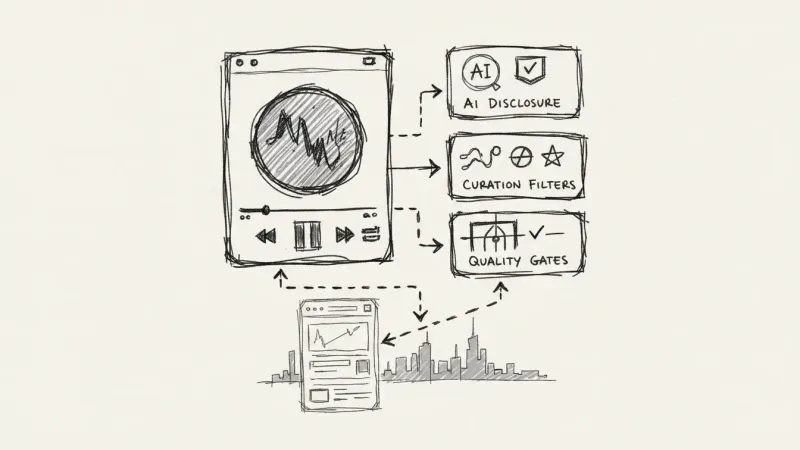
AI music affects listeners indirectly as much as it affects creators.
Likely effects include:
- more functional music for content, games, background use, and social media
- more personalized or niche audio experiences
- more short-form music tied to creator workflows
- more pressure on discovery systems to separate disposable audio from meaningful releases
This creates a quality problem, not just a quantity problem. Platforms and creators both need stronger taste filters.
7. Human Creativity Is Still the Scarce Layer
AI makes production easier, but it does not remove the value of:
- artistic point of view
- emotional clarity
- lyric writing
- arrangement judgment
- live performance
- audience trust
- cultural relevance
The strongest human advantage is not "doing everything manually." It is making better decisions about what the song should become.
That is also why agent-led workflows are important. They are useful when they help creators express taste and intention more clearly, not when they bury those decisions under automation.
8. What This Means for MusicMake.ai
MusicMake.ai's product direction maps well to where the industry is actually heading.
The key idea is simple:
- basic generation is no longer enough
- revision is now central
- product depth matters more than a single flashy demo
- users need help translating feedback into action
The "best music product" claim only makes sense if the workflow helps creators get closer to the song they actually mean to make. That is why the move from a normal AI music generator toward a Music Agent product is meaningful.
MusicMake.ai is strongest when it acts as:
- an AI music generator for fast creation
- a Song Agent for revision and recovery
- a Music GPT-style assistant for prompt rewriting
- a Music Chat workflow for ongoing creative direction
9. What Creators and Teams Should Do
If you are working with AI music in 2026, focus on process quality:
- Use AI for drafting and iteration, not blind repetition.
- Keep human judgment in lyrics, arrangement, and final selection.
- Use editing tools, not just generation.
- Maintain records of prompts, revisions, and source assets.
- Recheck terms before commercial release or client delivery.
- Evaluate tools by workflow strength, not only by a single impressive demo.
Bottom Line
The deepest AI music industry impact is not that AI can make songs. It is that it is changing the structure of music work:
- who can start
- how fast ideas move
- how revision happens
- how rights questions surface
- where human value still sits
The products that matter next will not just generate audio. They will help creators navigate the whole path from idea to critique to revision to release.
That is the direction MusicMake.ai is moving toward with its agent-led workflow and broader editing stack.
Last reviewed: June 7, 2026.
الكاتب

التصنيفات
المزيد من المقالات
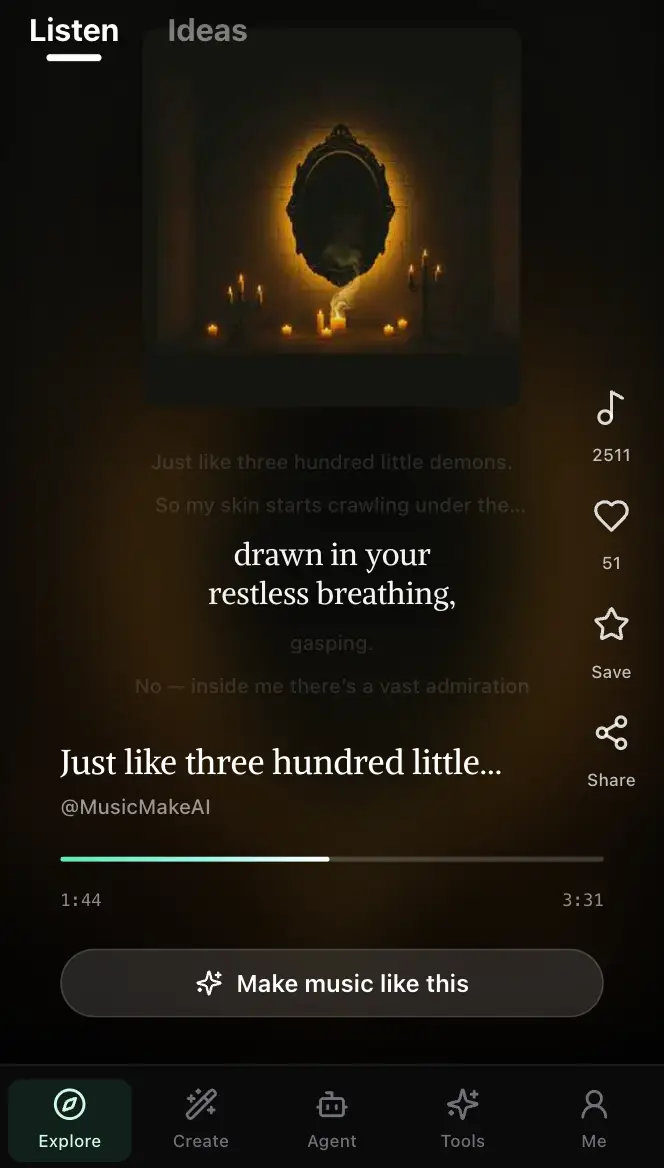
MusicMake.ai Mobile Update: Create Music From Your Phone Like an App
MusicMake.ai now gives creators a complete mobile flow for listening, generating, refining with Music Agent, opening tools, and managing songs from a phone.
AI Songwriting Guide: How to Write Songs with AI in 2026
Learn how to use AI songwriting tools to write better songs faster. Step-by-step guide covering lyrics, melody, arrangement, and production with AI assistance.
how to become a music producer with ai tools - MusicMake.ai Guide
Learn about how to become a music producer with ai tools with this comprehensive guide from MusicMake.ai.